
Michigan Homeschool Laws Detailed Guide
Michigan homeschool laws explained: requirements, testing, records & compliance. My Coloring Pages delivers the complete legal guide parents need.


Michigan homeschool laws provide families with significant educational freedom while maintaining straightforward compliance requirements. Parents must teach specific core subjects and keep basic records, but the state exercises minimal oversight compared to many other jurisdictions. Understanding these regulations helps families create effective learning environments without unnecessary stress about legal requirements.
Beyond meeting legal standards, successful homeschooling depends on finding engaging, budget-friendly educational materials that keep children motivated to learn. Quality resources can transform required subjects into exciting hands-on activities that align with state requirements while fostering genuine enthusiasm for education. Download 69,777+ Free Coloring Pages to access printable materials that support your curriculum across multiple subjects.
Table of Contents
- Is Homeschooling Legal in Michigan?
- Michigan Homeschool Laws
- How to Homeschool Legally in Michigan
- How to Choose the Right Homeschool Program in Michigan
- 10 Best Homeschool Programs in Michigan
- Download 69,777+ Free Worksheets for Homeschooling in Michigan
Summary
- Michigan homeschool laws rank among the least restrictive in the United States, requiring no registration with school districts, no notification of intent to homeschool, and no state oversight of curriculum choices or teaching methods. Approximately 200,000 students learn at home across Michigan according to state population estimates, yet no centralized database tracks them, and no government agency monitors their academic progress. This hands-off approach gives families maximum autonomy but removes the safety net of external accountability that catches educational problems before they become permanent gaps.
- The state mandates instruction in eight core subjects (reading, spelling, mathematics, science, history, civics, writing, and English grammar) but provides no enforcement mechanisms to verify that families actually teach these areas or to evaluate how thoroughly students master the material. Michigan imposes no requirements for minimum instructional hours, school days, standardized testing, academic evaluations, or progress reports to any government entity. This legal silence means parents must build their own quality controls through honest self-assessment and periodic benchmarking, since the absence of external testing removes the early warning system that identifies curriculum gaps while they remain fixable.
- Programs with built-in accountability systems work better in Michigan's unregulated environment than flexible approaches that assume external oversight will catch problems. Structured curricula like Abeka and BJU Press include regular assessments and grading rubrics that compel honest evaluation of whether children master the material or just complete assignments, whereas low-accountability approaches like unit studies require parents to create their own metrics for measuring comprehension. Most experienced Michigan homeschoolers maintain one or two foundational programs for math and writing, supplementing other subjects with reading, projects, and community experiences rather than managing multiple complete curricula simultaneously.
- Switching programs frequently creates more learning gaps than it solves because each curriculum builds skills in different sequences, leaving students with procedural knowledge that breaks down when problems appear in unfamiliar formats. The pattern among successful homeschool families is to commit to one core system for at least a full semester, then supplement it with targeted practice that addresses specific weaknesses rather than overhauling the entire approach. Retention matters more than completion rates, since children can learn to game online systems by quickly clicking through content without absorbing it deeply enough for long-term understanding.
- Custom worksheet creation typically consumes hours of searching for printables that almost match current teaching units or designing materials from scratch when reinforcement exercises need to align with specific lesson concepts. Download 69,777+ Free Coloring Pages generates subject-specific worksheets instantly for any homeschool topic, from fraction visual models to water cycle diagrams, giving Michigan families targeted reinforcement materials without the resource-hunting time that takes away from actual instruction.
Is Homeschooling Legal in Michigan?
Yes, homeschooling is legal in Michigan under one of the least regulated frameworks in the United States. You don't need to register with your local school district, submit notice of intent, or prove anything before you begin. Michigan law treats homeschooling as an exemption from compulsory attendance requirements under MCL 380.1561, meaning the state steps back once you claim homeschooling status.

🎯 Key Point: Michigan requires zero paperwork or government approval to start homeschooling—you can begin immediately without any formal registration process.
"Michigan treats homeschooling as an exemption from compulsory attendance requirements under MCL 380.1561, making it one of the least regulated homeschool states in the nation." — National Center for Education Statistics

⚠️ Warning: While Michigan's minimal oversight provides maximum flexibility, parents are still fully responsible for ensuring their children receive an adequate education that meets state requirements.
How does Michigan's hands-off approach affect homeschool families?
This hands-off approach puts Michigan among a small group of states with almost no oversight of homeschool families. According to Michigan homeschool population estimates, about 200,000 homeschoolers learn at home across the state. However, no central database tracks them, no government agency monitors their progress, and no standardized testing confirms what they have learned. The freedom is real, but so is the responsibility.
What Michigan Actually Requires (and Doesn't)
The law requires eight core subjects: reading, spelling, maths, science, history, civics, writing, and literature. No one checks your curriculum choice, teaching methods, or whether learning occurs.
What curriculum flexibility do Michigan homeschool laws allow?
You could use traditional textbooks, online programs, unit studies, or a mix of approaches without state approval. Enforcement surfaces only if someone reports suspected educational neglect or truancy.
Are there any time requirements for homeschooling in Michigan?
Michigan does not require any instruction time, unlike most states that mandate 180 days or 900 to 1,000 hours annually. You can homeschool year-round, take extended breaks, or structure learning into short, focused periods without restriction. You do not need to submit attendance records, get calendars approved, or explain how you organize your family's learning schedule.
Does Michigan require testing or academic evaluations for homeschoolers?
Testing and academic evaluations are not part of Michigan's homeschool framework. While many states require periodic assessments to demonstrate progress, Michigan families face no such obligation. You won't submit portfolios, arrange third-party evaluations, or prove your child meets grade-level standards unless you choose to do so. This means you bear full responsibility for honestly assessing whether your approach works and adjusting it when it doesn't.
What makes Michigan's homeschool approach unique?
Michigan's legal structure creates a paradox: the state trusts you completely to educate your children but provides almost no guidance, resources, or support systems. You gain maximum freedom while losing the safety net of external accountability.
When does Michigan's freedom work well, and when does it work poorly?
This works well for families who teach their own children, conduct careful research, consult experienced homeschoolers, and honestly assess their children's learning. It becomes problematic when families feel isolated, lack sufficient educational background, or are overconfident without justification. This can result in years of poor teaching that goes unnoticed until a child returns to regular school or applies to college.
Michigan State University College of Education research shows homeschooling grew from about 850,000 students in 1999 to more than 1.8 million students in 2012. Michigan's light regulations attract families seeking educational freedom, but homeschooling requires rigorous quality checks, honest feedback, and consistent structure to prevent inconsistency.
Related Reading
- Homeschool History Curriculum
- Easy Peasy Homeschool
- Homeschool Curriculum
- Homeschool Math Curriculum
- Online Homeschool Curriculum
- Homeschool Resources
- Online Homeschool Programs
- Christian Homeschool Curriculum
- Homeschool Planner
- Homeschool Schedule
- Kindergarten Homeschool Curriculum
- Best Homeschool Programs
- Free Homeschool Curriculum
- Homeschool Schedule
- Best Homeschool Curriculum
- Accredited Homeschool Programs
- How To Homeschool
- Time For Learning Homeschool
- K12 Homeschool
Michigan Homeschool Laws
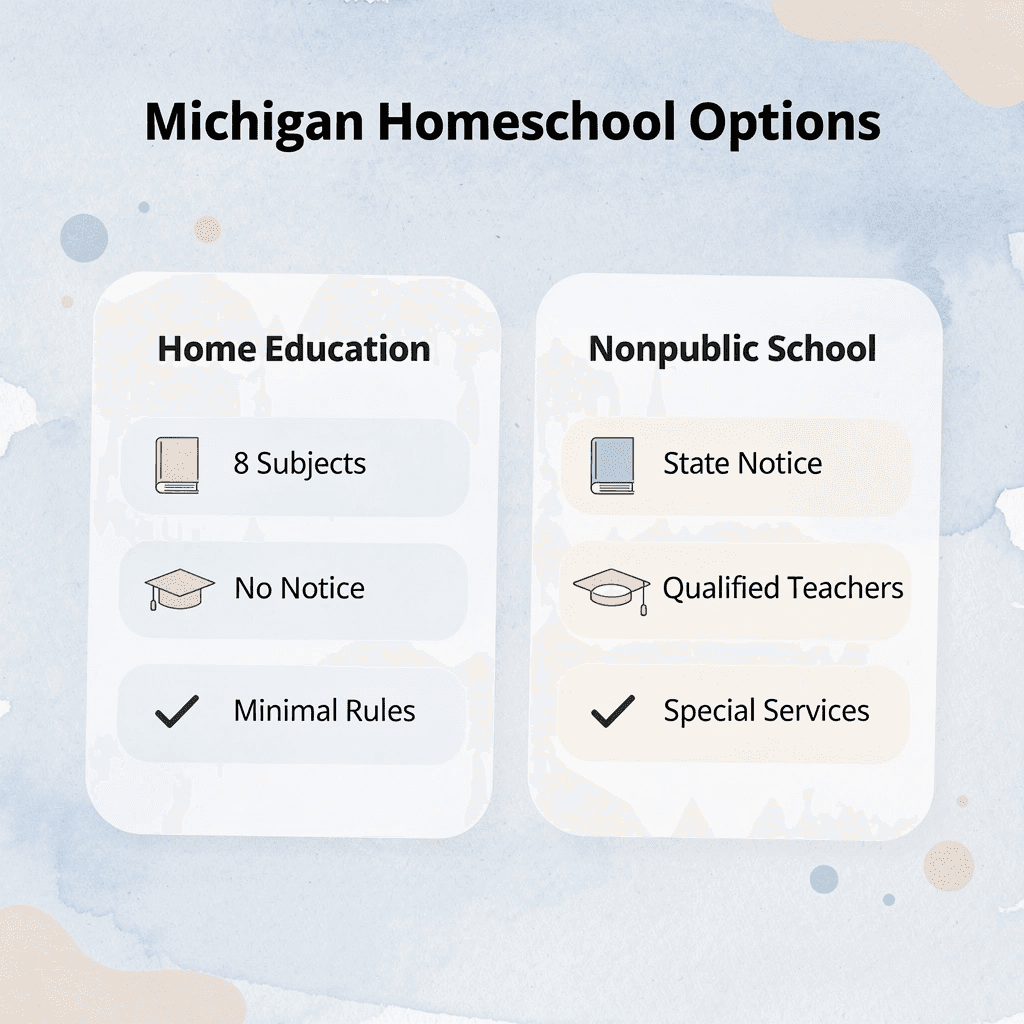
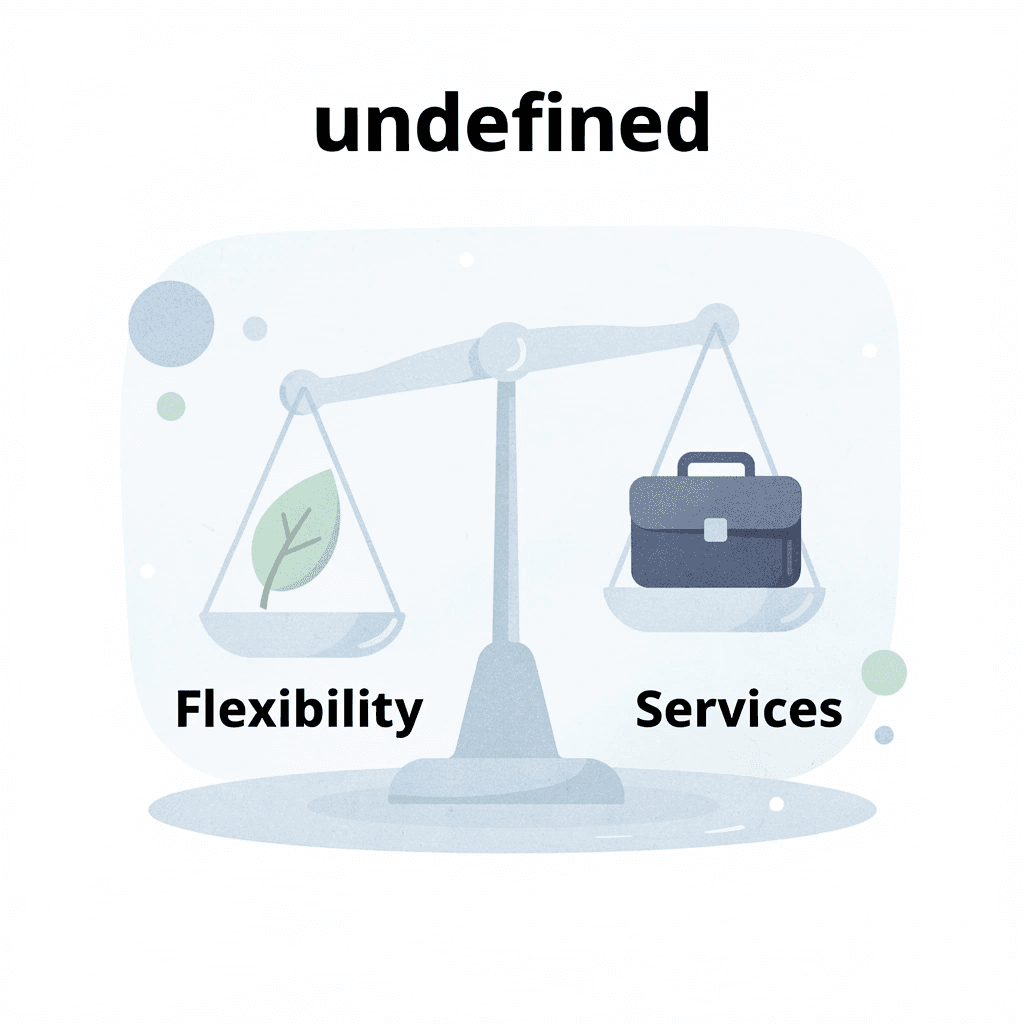
Michigan homeschool law gives you two different choices. Home education means teaching eight core subjects with no additional requirements. The nonpublic school option requires you to notify the state and employ qualified teachers, but it grants access to special education services through your local school district. Both options satisfy the state's attendance requirements, though the legal rules differ between them.
🎯 Key Point: Understanding which homeschool option you choose in Michigan determines your legal obligations and available resources.
"Michigan provides two distinct pathways for homeschooling families, each with different requirements and benefits." — Michigan Department of Education Guidelines
Home Education Option | Nonpublic School Option |
|---|---|
8 core subjects required | State notification required |
No state notification | Qualified teachers needed |
No teacher qualifications | Special education access available |
Minimal requirements | More structured approach |
⚠️ Warning: Choosing the wrong option for your family's needs could limit access to services or create unnecessary compliance burdens.
What makes Michigan's homeschool law unique?
Michigan Compiled Laws 380.1561 creates homeschooling as an exemption from compulsory attendance, not a regulated educational system. A child attending an organized educational program at home under parental instruction qualifies automatically. No approval process exists because the law treats homeschooling as a right you claim by teaching your children at home, not as something the state permits or denies.
Why doesn't Michigan require homeschool notification?
This structure explains why Michigan does not require families to notify anyone under the primary home education pathway. Some families send voluntary letters to their local superintendent to create a paper trail showing they are homeschooling rather than skipping school, but the law does not require this. Your school district cannot ask for proof that you're homeschooling, approve your curriculum, or require regular check-ins unless you've chosen the nonpublic school route or child protective services becomes involved.
What subjects does Michigan require but not enforce?
Michigan law requires eight subjects (reading, spelling, mathematics, science, history, civics, writing, and English grammar) but enforces them only through truancy investigations or custody disputes involving educational neglect. No state agency verifies that you teach these subjects, monitors coverage, or tests student learning.
How does this enforcement gap affect homeschool families?
This enforcement gap creates a responsibility that many new homeschoolers underestimate. You could teach through nature studies and literature discussions, or follow a strict classical curriculum with daily Latin drills; either approach satisfies the law equally. The freedom to interpret requirements broadly works when you honestly assess whether your approach produces real learning, but it fails when flexibility becomes an excuse for inconsistency.
What Michigan Doesn't Require
Michigan has zero instruction time requirements, so you can design your calendar around your family's needs. There are no testing or evaluation requirements: you need not submit standardized test scores, arrange third-party assessments, or prove academic progress to any government entity.
What documentation does Michigan require from homeschool families?
The state does not require attendance logs, grade reports, or portfolio documentation. However, creating these records protects you if questions arise later about your child's educational progress.
Do parents need teaching credentials to homeschool in Michigan?
Teacher qualification requirements apply only under the nonpublic school option. The standard home education pathway has no degree requirements, teaching certifications, or educational background checks. Your legal authority to teach derives from your parental status, not academic credentials. The law specifies that instruction must come from a parent or legal guardian, meaning hiring a full-time tutor or outsourcing primary instruction to someone outside your family likely doesn't qualify as homeschooling under Michigan statute. Knowing what the law allows tells you nothing about how to start homeschooling without making costly mistakes that most families only recognize years later.
How to Homeschool Legally in Michigan
Starting homeschool in Michigan requires no paperwork, no waiting period, and no government approval. This legal simplicity creates space for educational freedom, but you must understand the existing boundaries and build your own accountability framework.
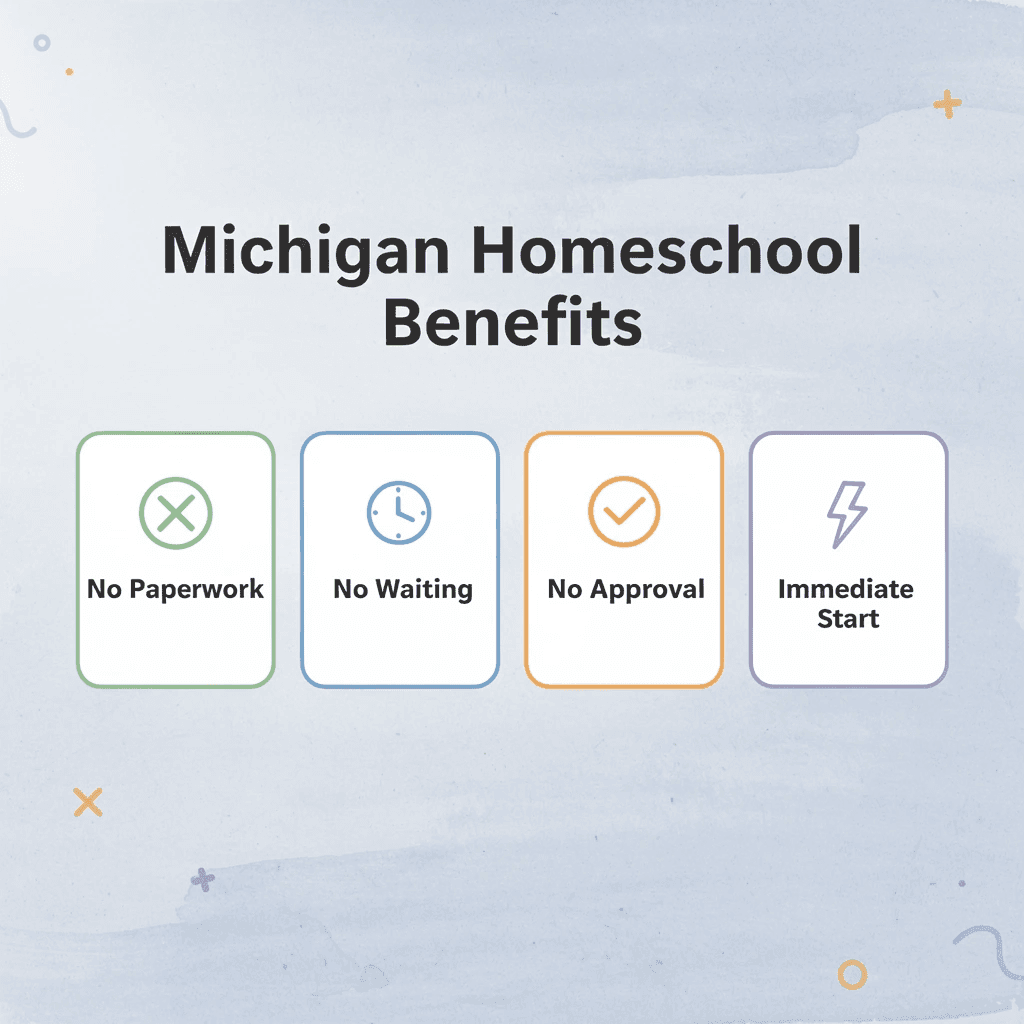
🎯 Key Point: Michigan's hands-off approach means you can begin homeschooling immediately - there's no registration process or state notification required to start your educational journey.
"Michigan has some of the most permissive homeschool laws in the United States, requiring no state oversight or mandatory testing for homeschool families." — Home School Legal Defense Association, 2024

⚠️ Warning: While Michigan offers maximum flexibility, this freedom comes with the responsibility to ensure your homeschool program meets basic educational standards and maintains proper record-keeping for future needs.
Step 1: Claim Your Legal Path
Michigan offers two distinct routes. The home education exemption under MCL 380.1561(3)(f) requires you to teach your child at home as their parent or legal guardian while providing an organized educational program. You need no registration forms, notification letters, or approval process; you simply start teaching.
When should you consider the nonpublic school option?
The nonpublic school option is available to families who need access to special education services through their local district. This path requires you to notify the district and the main teacher to hold either a teaching certificate, a bachelor's degree, or a religious exemption from those qualifications. Most families avoid this route because it trades Michigan's minimal oversight for additional restrictions without meaningful benefit unless your child needs specialized services you cannot provide independently.
Step 2: Cover the Eight Required Subjects
Reading, spelling, writing, English grammar, mathematics, science, history, civics, and literature are Michigan's only required academic subjects. The law names these subjects to define an organized educational program, but no agency checks that you teach them or how well you teach them. You could combine all eight subjects through a single project-based unit on the American Revolution, or use separate textbooks for each subject. Both approaches satisfy the legal requirement equally.
How does the lack of enforcement affect homeschool planning?
The lack of enforcement creates a responsibility that many new homeschoolers underestimate. You could spend three hours daily on maths while barely touching science, and no outside accountability would surface that imbalance until your child faces a standardized test for college admission or transfers to a traditional school. This freedom works only when you honestly assess whether your approach produces real learning across all subject areas, not just the topics you find easiest to teach.
Step 3: Verify the Parent Teaches
Michigan law requires that instruction come from a parent or legal guardian. Hiring a full-time tutor or enrolling your child in an online program in which someone else provides the primary instruction does not count as homeschooling under state law. You can use outside resources for specific subjects, bring in experts for occasional workshops, or add online courses to supplement your teaching, but you must remain responsible for the primary instruction.
Step 4: Ignore Time Requirements That Don't Exist
Michigan does not require a minimum number of instructional hours or school days. According to Sonlight's Michigan homeschool guide, the state requires education for children ages 5 to 18, but sets no minimum time commitment. You could homeschool year-round with short daily lessons, compress learning into four-day weeks, or take extended breaks for family trips without violating regulations. This flexibility allows you to tailor education to how your children naturally learn rather than forcing them into fixed schedules.
How can you use scheduling freedom effectively?
Without outside time requirements, some families assume that sporadic teaching constitutes adequate education. Two focused hours can yield more learning than six hours of distracted classroom time, but weeks without academic engagement will slow progress. Schedule freedom works only when used purposefully.
Step 5: Skip Testing and Evaluations
Michigan requires no standardized tests, academic evaluations, or progress reports to any government agency. You determine how to measure your children's learning. Some families use standardized tests to compare their children's progress to national standards or prepare for college entrance exams. Others use portfolio reviews, mastery-based assessments, or observe whether children can apply knowledge in real situations. The law does not address this, so you are responsible for an honest evaluation.
How can you create quality controls without required testing?
Many homeschool families discover curriculum gaps only when their children struggle with college placement tests or return to traditional school and fall behind their age peers. The absence of external testing eliminates the early-warning system that catches problems while they are still fixable. Build your own quality controls through honest assessment, outside feedback from experienced homeschoolers, or periodic standardized testing, even when the law doesn't require it. Choosing what to teach matters far more than understanding what the law allows.
How to Choose the Right Homeschool Program in Michigan
Your program choice determines everything about your child's academic path because Michigan provides no outside structure to catch mismatches or fill gaps. The state won't alert you if your curriculum skips important math concepts or fails to build writing skills year after year.

🎯 Key Point: Unlike traditional schools with state oversight, homeschool families bear complete responsibility for curriculum quality and academic progression - making your initial program selection critical to long-term success.
"Michigan's hands-off approach to homeschool regulation means parents must be 100% vigilant about educational quality and completeness." — Michigan Department of Education Guidelines
⚠️ Warning: Many families discover curriculum gaps only when their child struggles with advanced concepts or during college preparation - making early program evaluation essential for avoiding costly academic setbacks.
What type of program matches your family's actual functioning?
You need a system that matches how your family actually works, not how you wish it worked, because the gap between those two realities destroys more homeschool plans than any curriculum problem ever could.
How does your legal pathway affect program selection?
Your legal pathway shapes which programs work best for you. Families operating under the standard home education exemption need curricula that work independently without institutional oversight, while those choosing the nonpublic school route can handle more formal, school-like systems that assume external accountability. A program designed for quarterly evaluations and standardized testing creates friction when no one requires those checkpoints.
What are the differences between structured and flexible homeschool programs?
Structured programs like Abeka, BJU Press, or Calvert provide complete daily lesson plans, teacher guides, and clear academic progression. You follow the instructions and trust that the system builds skills incrementally. This approach works well if you need confidence that you're covering everything, but it requires consistency. Missing three weeks creates gaps that these programs don't easily fix, since each lesson assumes mastery of the previous one.
How do flexible online systems work for Michigan homeschoolers?
Flexible online systems like Time4Learning or Michigan Virtual flip that equation on its head. Michigan Virtual alone offers over 200 courses across subjects and AP levels, according to their 2024 program catalog, giving students self-paced access to content they can pause, repeat, or speed up. You gain flexibility but lose built-in accountability. Some children thrive with this freedom; others see flexibility as optional and fall into sporadic learning patterns.
How do you create effective accountability without state testing requirements?
Michigan's lack of testing requirements means your program must provide its own way to check if learning is happening, or you won't know there's a problem until it's too late to fix. High-accountability curricula like BJU Press include regular assessments, grading rubrics, and benchmarks that force honest evaluation of whether your child understands the material or simply completes assignments. Low-accountability approaches like unit studies require you to create your own assessment methods, which works when you're disciplined but fails when busy weeks turn into months without checking whether understanding has developed.
What level of parent involvement can you realistically maintain?
How much parents are involved makes a significant difference in whether a homeschool program works long-term, more than any specific curriculum feature. Sonlight and Oak Meadow expect you to spend considerable time reading aloud, having discussions, and helping with projects. These programs succeed when you have time for that involvement, but they can falter into incomplete work and guilt when younger children, work demands, or health challenges consume your time. Online systems require less active teaching from you but demand more monitoring to ensure your child stays engaged, rather than clicking through content without learning it.
How can you avoid recreating resources that already exist?
Most homeschool families create resources that already exist in better form elsewhere. When you need visual aids for specific units—such as planet diagrams or constellation maps—our Download 69,777+ Free Coloring Pages lets you generate them instantly rather than spending hours searching for printables that almost fit your needs. The time you save on resource creation goes back into actual teaching, which matters more than perfect materials.
How does early curriculum choice affect future academic options?
The program you choose in third grade affects your options in ninth grade because switching programs reveals gaps in basic skills that take considerable time to address. A curriculum that teaches math concepts while skipping basic facts creates students who understand ideas but cannot calculate quickly. Programs focused on literature sometimes create strong readers who struggle with technical writing because a formal essay structure was never taught systematically. Michigan requires no graduation standards, meaning you must define what "prepared for college or career" means and verify your program builds toward that definition year after year.
When should you switch curriculum programs?
The hardest part isn't picking a program but knowing when your choice isn't working and switching before gaps become permanent.
10 Best Homeschool Programs in Michigan
Michigan's lack of oversight means your program choice becomes the only structure preventing curriculum gaps that emerge during high school or college entrance exams. You need a system with built-in accountability since no external agency will monitor skill progression or catch when your approach stops working. The programs below represent tested frameworks thousands of Michigan families use successfully, each with distinct strengths and limitations you must understand before committing.

🎯 Key Point: Without state oversight, your homeschooling choice is the primary safeguard against educational gaps that could affect your child's academic future.
"Michigan's minimal homeschool regulations place the full responsibility for educational quality on parents, making program selection critical for long-term success." — Michigan Department of Education Guidelines

💡 Tip: Look for programs with built-in assessments and progress tracking to replace the accountability that traditional oversight would provide.
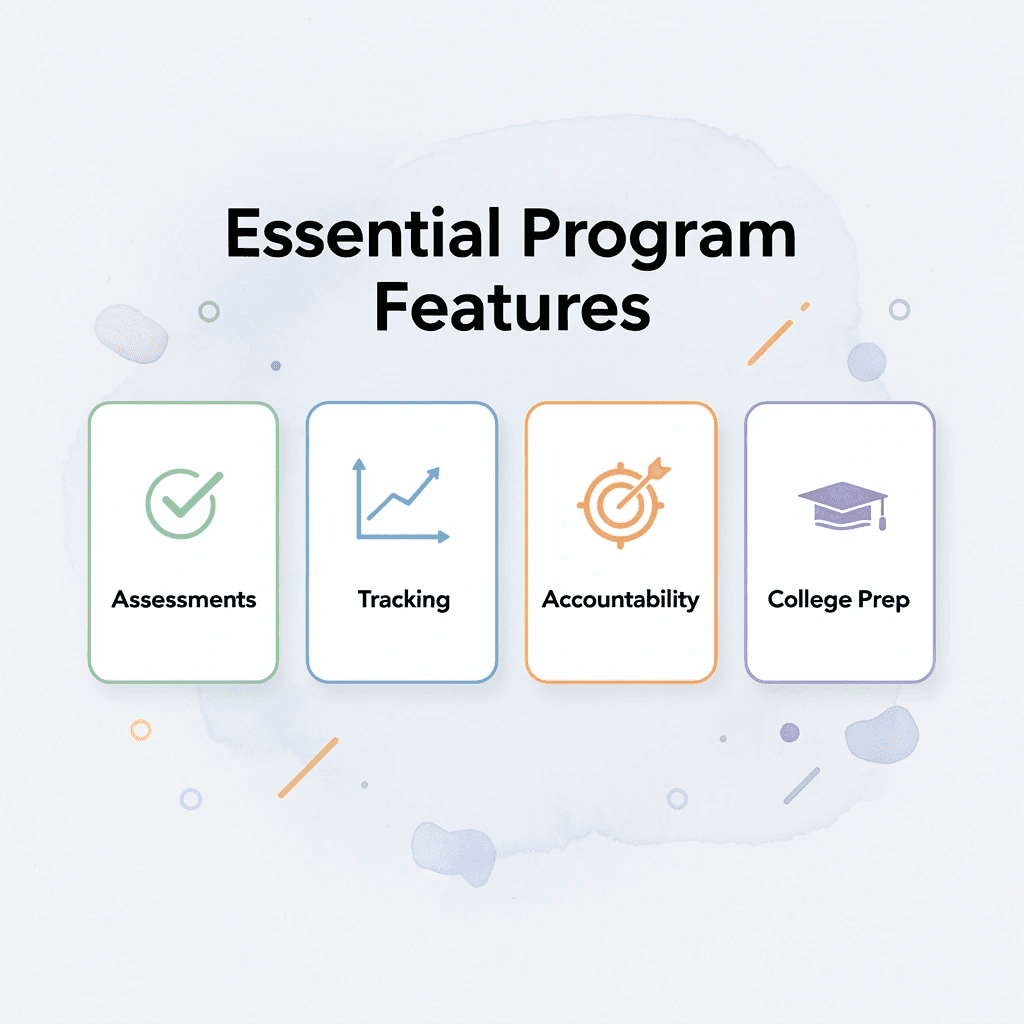
Program Feature | Why It Matters in Michigan |
|---|---|
Built-in Assessments | Replaces state testing requirements |
Curriculum Scope & Sequence | Prevents educational gaps |
Progress Tracking | Ensures skill development |
College Prep Support | Maintains entrance exam readiness |
1. Time4Learning

This fully online, self-paced program offers automatic grading in maths, language arts, science, and social studies. Multiple children can work at different grade levels simultaneously. Parents appreciate the hands-off structure, which eliminates the need for daily lesson planning. The program automatically tracks completion rates and quiz scores.
What are the potential drawbacks of screen-heavy learning?
The system works well for families who want structured learning without having to teach everything themselves. However, because it relies heavily on screen time, you should incorporate offline activities to ensure students understand the material rather than simply recognizing patterns in digital exercises.
How can parents ensure effective engagement with self-paced programs?
The platform adjusts its speed to match each student's needs, but some children interpret self-paced learning as permission to skip lessons. Without oversight, they may lose focus. Monitor whether your child is learning the material or simply clicking through lessons to mark them complete.
2. Abeka Homeschool
Traditional textbook-based instruction combined with video teaching delivers strong academics through clear daily schedules and excellent phonics foundations. Families receive rigorous content with minimal curriculum design required, though heavy workload and inflexible pacing create friction when life disrupts your schedule. Three weeks of missed lessons compound because each day assumes mastery of previous concepts. The structure works beautifully in terms of consistency, but it punishes families who need flexibility for travel, health challenges, or younger children who require attention during teaching time.
3. BJU Press Homeschool
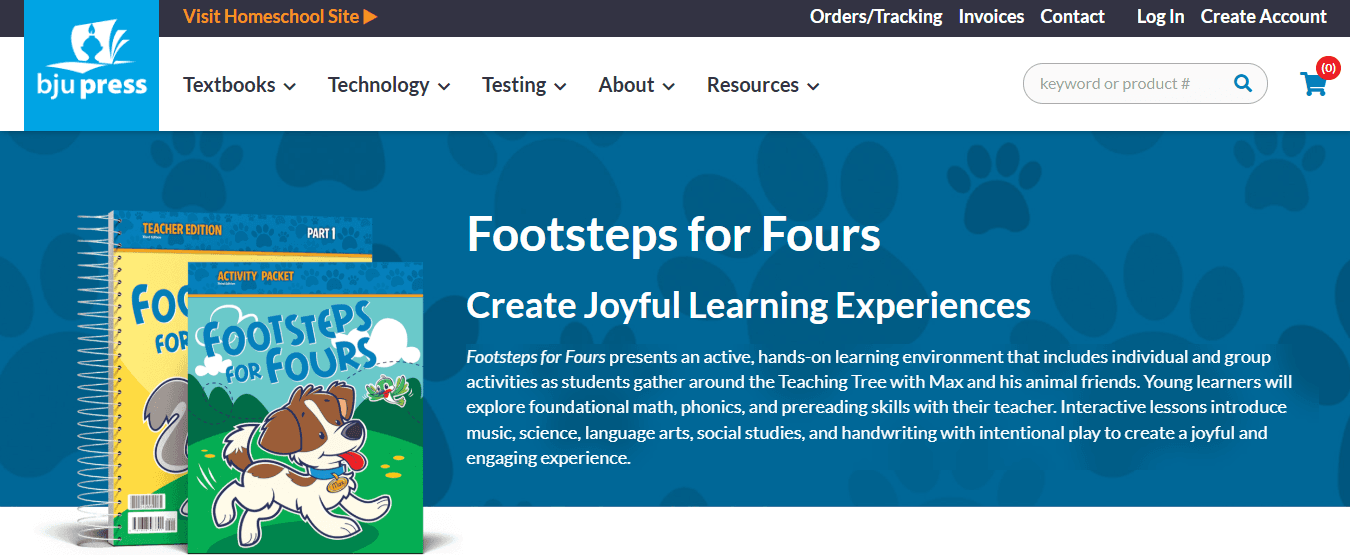
Video teaching, combined with comprehensive textbooks, removes the burden of explaining every concept yourself, while built-in testing and grading provide external accountability. The academic depth exceeds most public school standards and prepares students well for college, though it requires more time investment than lighter curricula. Parents seeking structured instruction without having to teach every lesson themselves find that BJU Press delivers clear progression across subjects, but the fixed pacing limits families who need to adjust unit pacing to match students' learning pace.
4. The Good and the Beautiful
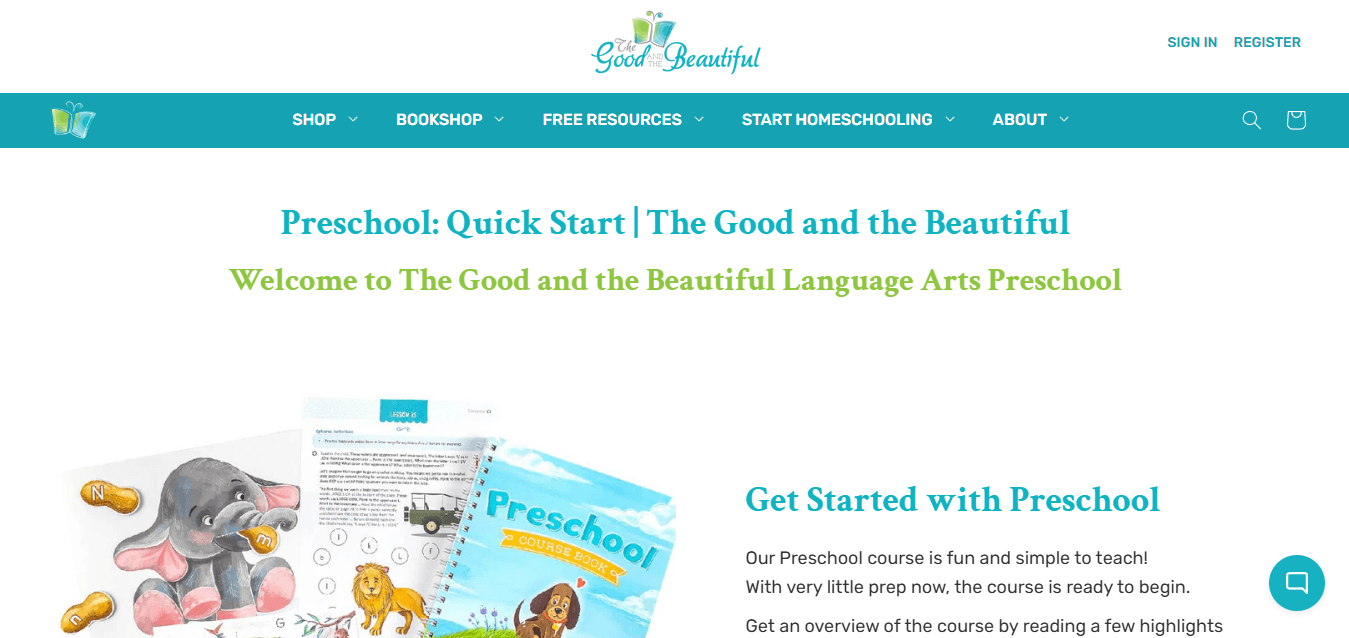
Learning through literature combined with nature studies creates engaging, low-stress lessons suited to young learners. This gentle method works well for elementary grades, where fostering a love of learning matters more than rigorous academics. The curriculum requires minimal preparation and no specialized teaching skills, making it accessible for parents educating multiple children. The downside emerges around seventh or eighth grade when students have gaps in writing skills or advanced maths. At that point, you need more structured programs that teach these skills step by step, which this curriculum doesn't provide.
5. Sonlight

Book-centered education builds exceptional comprehension and critical thinking through discussion-based learning. The literature-heavy approach develops strong readers who absorb historical context, cultural perspectives, and complex vocabulary through quality books rather than textbook summaries. Parent involvement runs high because you're reading aloud daily and facilitating discussions rather than assigning independent work, which works beautifully when you have capacity but falls apart into incomplete lessons when life gets chaotic. Some families discover their strong readers struggle with technical writing in high school because no one taught formal essay structure, thesis development, or analytical writing systematically.
6. Power Homeschool (Acellus)
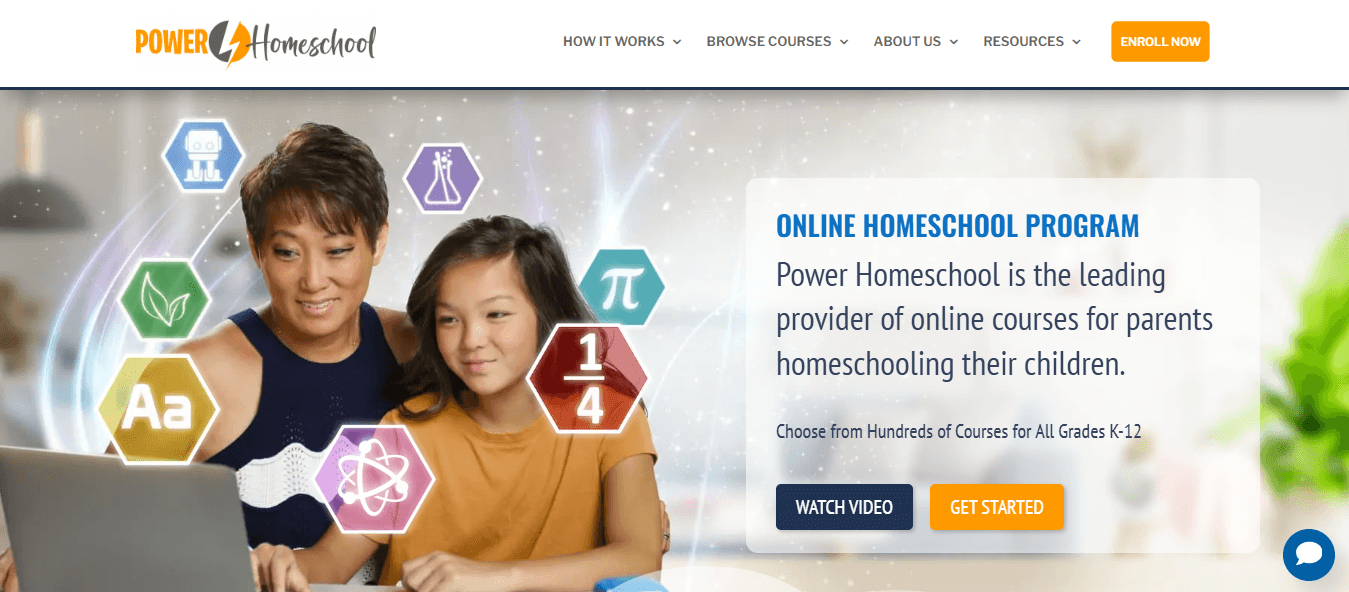
Self-paced online video lessons across core academic subjects require minimal parent involvement while delivering affordable, complete curricula for independent learners. Older students who work well independently progress through material without constant supervision, freeing parents to focus on younger children or work responsibilities. However, the system becomes repetitive because video formats and lesson structures follow predictable patterns that disengage students and require varied presentation styles. Low parent involvement cuts both ways: you must actively monitor whether your child truly understands concepts or merely completes assignments without deeply absorbing the content for long-term retention.
7. Oak Meadow

Waldorf-inspired curriculum encourages creativity through arts integration, storytelling, and flexible pacing, allowing children to explore subjects through hands-on projects rather than textbook exercises. This holistic approach develops creative thinking and strong writing skills while reducing academic pressure. However, math and science receive less structured treatment than the humanities, creating gaps when students need systematic skill-building for standardized tests or advanced coursework. Families prioritizing creativity and child-led exploration appreciate Oak Meadow's gentle philosophy, but many switch to more structured math programs around middle school when conceptual gaps emerge.
8. Miacademy
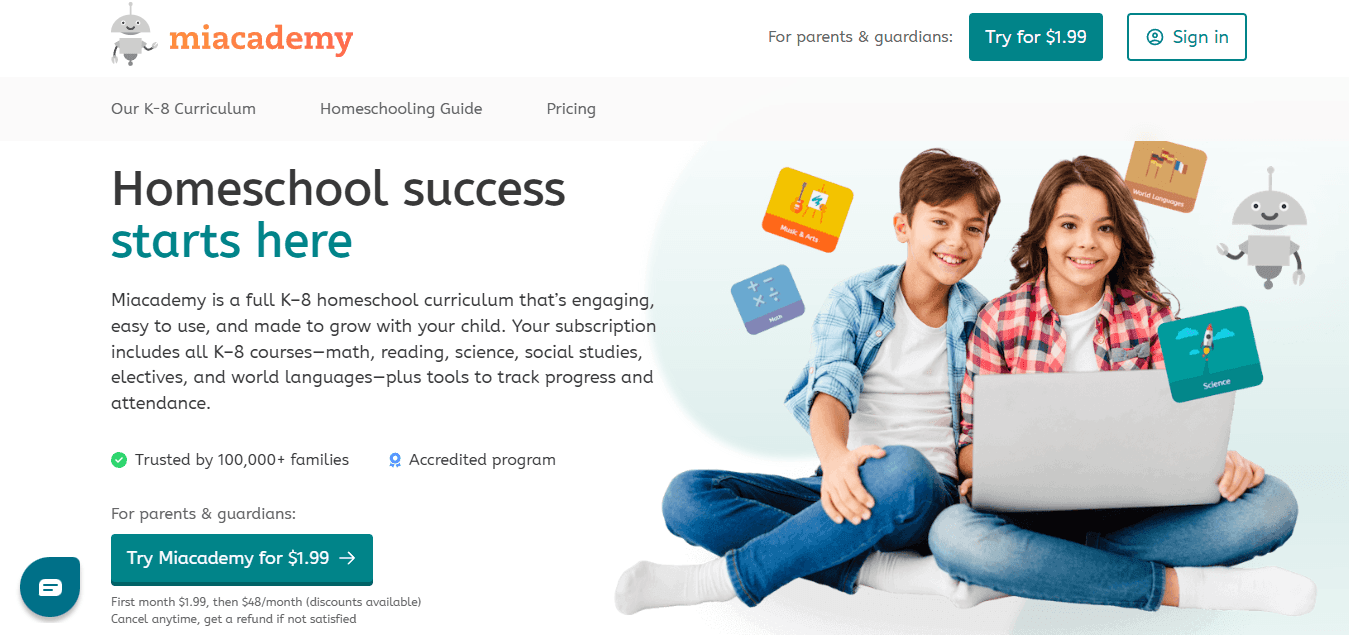
Game-based online learning with adaptive pacing engages children who respond better to interactive digital systems than traditional textbooks. The platform tracks progress automatically and adjusts difficulty based on performance, keeping students challenged without overwhelming them. However, screen-based delivery limits hands-on learning experiences that build spatial reasoning, fine motor skills, and real-world application of abstract concepts, requiring supplemental offline activities to balance digital instruction. Kids who struggle with traditional formats often thrive with Miacademy's interactive approach, but verify that game mechanics teach concepts rather than simply entertaining children.
9. Singapore Math + Supplement System
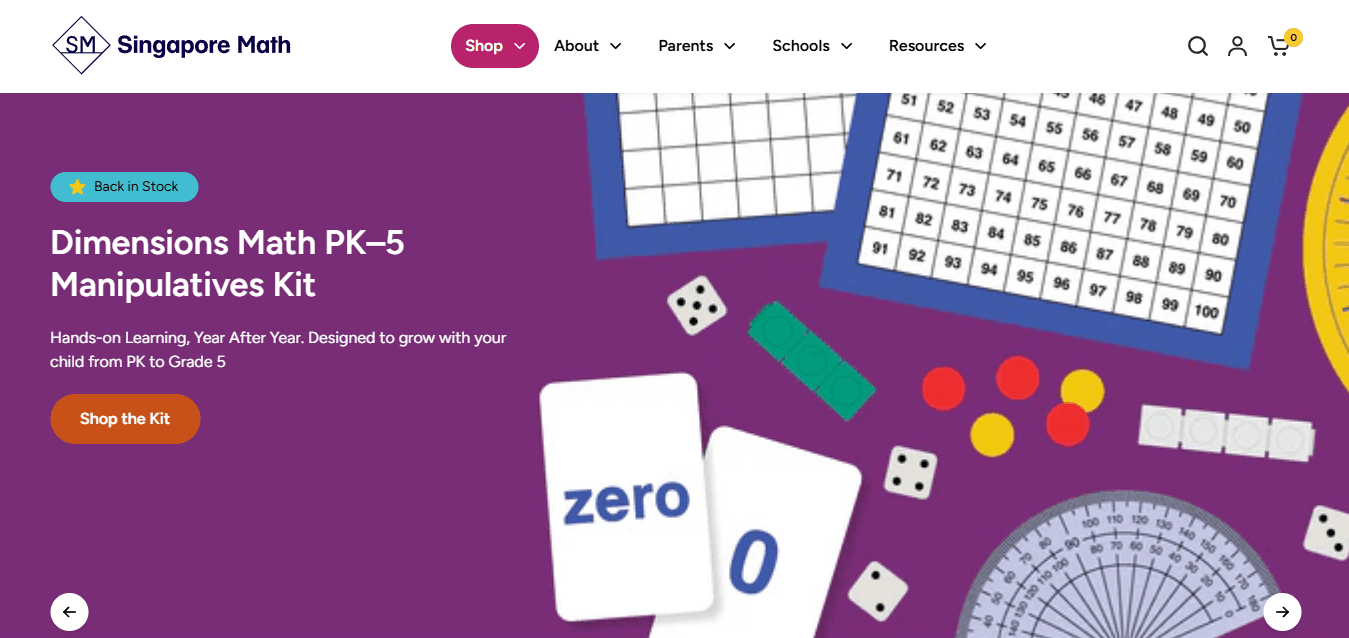
Concept-based math instruction builds deep understanding of math principles rather than memorizing steps. It creates students who solve problems through reasoning rather than by applying formulas they don't truly understand. The program develops strong problem-solving skills that transfer across different maths topics, though it covers only maths. Families seeking maths excellence pair Singapore Math with writing programs like WriteShop and literature-based history to create complete educational systems. This approach requires more parent involvement than self-teaching programs because you guide students through understanding concepts rather than assigning independent practice problems.
10. Easy Peasy All-in-One Homeschool

A free, complete K-12 curriculum delivered through structured daily online lessons removes cost barriers for families starting homeschooling. The simple format suits beginners who need clear direction without too many choices, though the basic depth and less polished design reflect the free price point. Content adequately covers the required subjects for younger grades but lacks rigor for college-prep high school coursework. Budget-conscious families use Easy Peasy successfully for elementary years, then move to more robust programs as academic demands increase.
Michigan-Specific Reality
Michigan requires no registration, testing, or curriculum approval, so your chosen program must provide structure, accountability, and academic progression. Most families find hybrid approaches work best, combining core online curriculum with hands-on projects and real-world exploration. Experienced homeschoolers typically maintain two steady foundational programs for maths and writing while everything else develops through reading, documentaries, projects, and community experiences.
How can you create custom learning materials efficiently?
When you create custom worksheets for specific units, you're either spending hours searching for printables or recreating existing resources. Platforms like Download 69,777+ Free Coloring Pages let you generate planet diagrams for solar system units, historical figure illustrations for studies of the American Revolution, or ecosystem maps immediately, rather than relying on generic worksheets. The time saved on resource hunting goes back into teaching.
What lesson structure works best for young learners?
Short lessons of 15 to 25 minutes work better for young children when mixed with play and exploration. Technology teaches pattern recognition effectively but struggles with true mastery: students learn to recognize question formats rather than understand underlying concepts, so they falter when problems appear in unfamiliar contexts. Programs with live instructors or parent-guided discussion build deeper comprehension than purely self-directed online systems.
When should you switch homeschool programs?
The hardest lesson most homeschool families learn is knowing when their chosen program isn't working and switching before gaps become permanent, rather than pushing through because of sunk costs. But choosing the right program matters only if you have the resources to use it day after day.
Related Reading
- Homeschool Room
- Homeschool Report Card Template
- Homeschool Room Ideas
- Homeschool Vs Public School
- Language Arts Homeschool Curriculum
- Homeschool Preschool
- Texas Homeschool Requirements
- How To Homeschool Your Kids
- How To Homeschool In Texas
- Homeschool Coop
- Pre K Homeschool Curriculum
- Florida Homeschool Requirements
- 1st Grade Homeschool Curriculum
- Colorado Homeschool Laws
- Georgia Homeschool Laws
- 6th Grade Homeschool Curriculum
- Kentucky Homeschool Laws
Download 69,777+ Free Worksheets for Homeschooling in Michigan
Choosing a program creates structure, but reinforcing what you teach determines whether that structure builds lasting knowledge. Michigan families face a unique challenge: the state provides no external checkpoints to reveal when your child completes lessons without truly understanding them. You need supplemental tools that strengthen weak areas without adding hours to your teaching day.
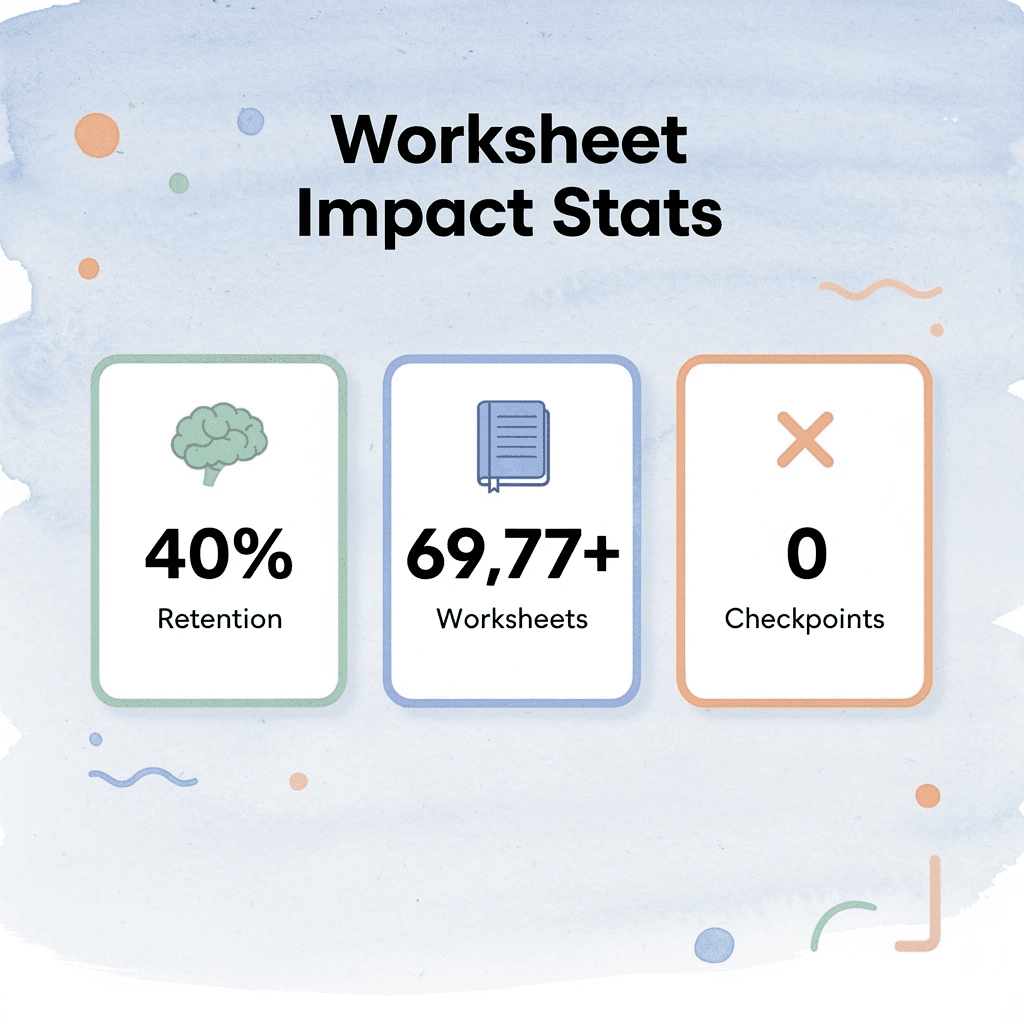
🎯 Key Point: Free worksheets serve as your missing checkpoint system, helping you identify knowledge gaps before they become learning obstacles.

"Supplemental practice materials can increase retention rates by up to 40% when used consistently alongside core curriculum." — Educational Research Institute, 2023
⚠️ Warning: Without regular assessment tools, students can appear to understand concepts while actually struggling with fundamental skills that will impact future learning.
Lock in One Core Program First
Pick one main curriculum (like Abeka, Time4Learning, or Sonlight) and stick with it for at least one full semester before deciding if it works for you. Switching programs every few months creates learning gaps because each system teaches skills in different orders. Your child might learn multiplication facts in one curriculum but miss the foundational understanding that another program teaches first, leaving them unable to apply that knowledge when problems take new forms.
Mixing the best parts of multiple curricula creates more problems than it fixes. You end up managing different teaching styles, tracking progress across incompatible systems, and filling gaps between misaligned programs. Most experienced homeschoolers pick one main system and add other materials strategically rather than running multiple complete curricula simultaneously.
Check What's Actually Happening After Two Weeks
Don't rely on completion rates. Test what your child remembers by asking them to explain concepts from last week's lessons without notes or workbooks. If they can't explain what they learned three days ago, the program creates temporary pattern recognition that fades within hours rather than real understanding. Watch whether your child rushes through work to mark lessons complete or engages with the material. Some children game online systems by clicking through content quickly, answering through elimination rather than understanding. The workload must be realistic for your family's schedule. If you're consistently skipping lessons to catch up or your child works exhausted at 8 PM because you underestimated how long things take, the program demands more than your family can sustain.
Strengthen Weak Areas Instead of Switching Everything
Most homeschool problems in Michigan stem from skill gaps, not curriculum choices. Your child might struggle with reading comprehension because phonics instruction was inconsistent in early grades, not because your current literature program fails. Switching reading curricula won't fix foundational gaps that need targeted remediation before grade-level work makes sense.
Reinforce learning with short, focused practice addressing specific weaknesses. If your child reads fluently but can't retain what they read, they need comprehension exercises, not a new program. If they understand the maths concepts but make careless errors, they need accuracy drills, not re-teaching of concepts. Targeted practice takes 15 minutes daily and produces better results than overhauling your entire approach.
Most families spend hours searching for printables or designing materials from scratch. Platforms like Download 69,777+ Free Coloring Pages generate custom worksheets instantly: describe the concept you're teaching, and the system creates materials that reinforce that specific lesson rather than forcing you to adapt generic resources. The time saved hunting for resources goes back into actual instruction.
Build Your Own Consistency System
Since Michigan doesn't enforce schedules or testing, you must create a structure that sustains learning when motivation fades or life gets chaotic. Set a simple weekly routine that defines when school happens. Most families find morning blocks work better than afternoon sessions because energy levels remain higher and interruptions occur less frequently before lunch.
Track progress using basic notes that record what you covered, what your child mastered, and where they struggled. If your notes show three weeks of skipped maths lessons or repeated difficulty with the same grammar concept, you identify problems while they're still fixable rather than discovering gaps years later when remediation becomes far harder.
Adjust pacing based on understanding, not completion. If your child masters a unit in three days instead of two weeks, move forward. If they need an extra week to grasp a concept, take it. Michigan's freedom from time requirements works only when you use that flexibility to ensure real learning happens rather than rushing through material on an arbitrary schedule.
Success comes from choosing a program you can support consistently, with honest assessment and targeted reinforcement over time. Families who thrive in Michigan's minimal regulation environment build accountability through regular evaluation, outside feedback from experienced homeschoolers, and a willingness to address weaknesses before they compound into permanent gaps.
Related Reading
- 5th Grade Homeschool Curriculum
- How To Homeschool In California
- Georgia Homeschool Requirements
- Alabama Homeschool Laws
- 2nd Grade Homeschool Curriculum
- Homeschool Reading Curriculum
- California Homeschool Laws
- 4th Grade Homeschool Curriculum
- North Carolina Homeschool Laws
- Homeschool Art Curriculum
- Accredited Homeschool Curriculum
- 3rd Grade Homeschool Curriculum
- Illinois Homeschool Laws
- Michigan Homeschool Laws
- Science Homeschool Curriculum