North Carolina Homeschool Laws 2026 Detailed Guide
North Carolina homeschool laws 2026 complete guide by My Coloring Pages. Requirements, testing, records & compliance made simple for parents.


North Carolina homeschool laws establish clear requirements that parents must understand before beginning their educational journey. Families need to file a Notice of Intent with the Division of Non-Public Education, maintain attendance records, ensure proper immunizations, and administer standardized testing. These legal requirements create the foundation for a compliant homeschool program. Understanding these regulations allows parents to focus on delivering quality education with confidence.
Beyond meeting legal obligations, successful homeschooling requires engaging educational materials that support diverse learning needs. Parents benefit from having access to resources that complement their curriculum without straining their budget. Quality educational materials help maintain student interest while parents handle the administrative aspects of their homeschool program. For comprehensive educational resources, families can explore My Coloring Pages' extensive collection.
Summary
- North Carolina operates under a moderate regulation model that requires homeschool families to submit a Notice of Intent, maintain attendance records for at least 9 months each year, and administer a standardized test annually. The state mandates that at least one parent holds a high school diploma but imposes no curriculum approval process, teaching certification requirements, subject-specific mandates, or home inspections. This framework balances parental autonomy with minimal accountability, allowing families to design education around their children's actual learning needs rather than following prescribed lesson plans.
- Approximately 179,900 students are homeschooled in North Carolina, making it one of the largest homeschooling states in the country. This level of adoption reflects how workable the legal framework has proven to be for families with vastly different educational philosophies. The system's stability over decades demonstrates that moderate regulation can coexist with high participation rates when parents understand they're registering their household as a recognized non-public school rather than seeking permission to teach.
- The annual standardized testing requirement creates accountability without micromanagement. Families choose which nationally normed achievement test to use, administer it at home or through a qualified proctor, and keep results on file without submitting scores to the state unless specifically requested during a compliance review. This approach confirms that instruction is occurring and that students are progressing academically, while allowing parents to use test results diagnostically or treat them as a two-hour annual formality.
- Most homeschool families initially purchase expensive curriculum packages because following someone else's plan feels safer than designing instruction independently. As the year progresses, many discover their children retain more from hands-on projects, visual creation, or self-directed exploration than from completing assigned workbook pages. This realization often surfaces months into the school year, after significant financial and emotional investment in materials that don't align with how the child actually processes information.
- Visual learners often struggle with text-heavy workbooks, kinesthetic learners lose focus during long video lectures, and abstract thinkers need discussion rather than drill-and-practice exercises. Programs that work effectively for one child can frustrate another with a different processing style. Observing how a child engages with new information outside formal instruction (whether they doodle to think, need movement while processing, or ask endless questions) provides more reliable guidance for resource selection than curriculum marketing claims about effectiveness.
- My Coloring Pages addresses this by offering over 748,000 downloadable worksheets that families can generate on demand, when students need visual reinforcement of concepts such as photosynthesis diagrams, historical timelines, or labeled geography maps that match their specific learning needs.
Is It Legal to Homeschool in North Carolina?
Yes, homeschooling is legal in North Carolina. The state recognizes homeschools as a legitimate non-public school under North Carolina General Statute §115C-563(a), giving parents the legal right to educate their children at home.
🎯 Key Point: North Carolina has clear legal protections for homeschooling families, making it one of the most homeschool-friendly states in the nation.
"North Carolina recognizes homeschools as legitimate educational institutions under General Statute §115C-563(a), providing parents with full legal authority to educate their children at home." — North Carolina Department of Education
⚠️ Important: While homeschooling is 100% legal, parents must still comply with specific state requirements, including annual testing, attendance records, and immunization documentation to maintain their legal status.
What the law actually requires
North Carolina uses a "moderate regulation" model requiring parents to submit a Notice of Intent to the Division of Non-Public Education, have at least one parent with a high school diploma, operate for nine months per year, administer an annual standardized test, and maintain attendance records. According to the North Carolina Department of Administration - Division of Non-Public Education, homeschools can include "not more than two families or households," which legally recognizes small co-ops. The state does not require curriculum approval, teaching credentials, subject mandates, or home inspections.
Why families think it's restricted
The confusion stems from mixing up "regulated" with "prohibited." Because North Carolina requires registration and testing, some parents assume the state views homeschooling as risky or barely permitted. The state website's wording about compulsory attendance ages (7-16) creates unnecessary worry—parents wonder if their 18-year-old has exceeded the age for a homeschool diploma, when that range actually specifies who must be enrolled in some form of legal education, not who can receive one. Contradictory or unclear official resources leave families uncertain whether they've violated requirements they didn't fully understand.
The scale tells the real story
North Carolina is one of the largest states for homeschooling, with tens of thousands of families participating legally each year. This adoption wouldn't exist if the framework were unclear or hostile. The system works because it balances parental control with minimal accountability: you decide what and how to teach, while the state confirms you're operating within the legal definition of a non-public school. This is practical autonomy backed by decades of legislative stability.
How creative learning fits the framework
North Carolina's lack of curriculum mandates lets you design education around how your child learns. Some students understand historical concepts through visual timelines they create themselves; others grasp scientific principles by drawing ecosystems or anatomical systems. Tools like My Coloring Pages provide customizable educational content: geography maps, historical figures, and biology diagrams that match your teaching approach without expensive textbooks or pre-packaged curricula. The state requires you to teach and document progress, not follow a specific lesson plan. The real question is what you need to do to stay compliant.
Related Reading
- Homeschool History Curriculum
- Easy Peasy Homeschool
- Homeschool Curriculum
- Homeschool Math Curriculum
- Online Homeschool Curriculum
- Homeschool Resources
- Online Homeschool Programs
- Christian Homeschool Curriculum
- Homeschool Planner
- Homeschool Schedule
- Kindergarten Homeschool Curriculum
- Best Homeschool Programs
- Free Homeschool Curriculum
- Homeschool Schedule
- Best Homeschool Curriculum
- Accredited Homeschool Programs
- How To Homeschool
- Time For Learning Homeschool
- K12 Homeschool
North Carolina Homeschool Laws
The legal framework is simpler than the paperwork suggests
North Carolina's homeschool law requires three things: filing a Notice of Intent with the Division of Non-Public Education before starting, keeping attendance records, and administering a nationally standardized achievement test annually. At least one parent must hold a high school diploma or GED, and the homeschool must operate for at least nine calendar months per year.
The state doesn't require curriculum approval, subject-specific requirements, teaching certification, or home inspections. According to North Carolinians for Home Education, about 179,900 students are homeschooled in the state, demonstrating how this framework accommodates families with different educational philosophies.
How does filing the Notice of Intent establish your legal homeschool status?
Your homeschool doesn't exist in the state's eyes until you file the Notice of Intent. This registration establishes your household as a recognized non-public school under G.S. §115C-563. The Division of Non-Public Education processes these applications online, requiring parent names, student names, and birthdates, your homeschool name, and confirmation that you meet the parent education requirement.
What happens after you submit your Notice of Intent?
Filing creates a timestamp. According to the NC Department of Administration - Division of Non-Public Education, the home school statistical year runs from July 1 through June 30. Families often align their Notice of Intent with this cycle, though you can start at any time. Once you file, you're operating legally. The state won't approve your curriculum, check your teaching methods, or evaluate your lesson plans.
What testing requirements do North Carolina homeschoolers need to meet?
North Carolina law requires a nationally normed achievement test: one that compares your child's performance to a representative sample of students nationwide. You choose the test, administer it at home or through a qualified proctor, and keep the results on file. The state doesn't collect scores unless specifically asked during a compliance review, which remains rare.
How does this create accountability without micromanagement?
This creates accountability without micromanagement. The test confirms that instruction is happening and students are making academic progress. Some families use it to identify learning gaps; others view it as an annual formality. It's the state's primary way to verify that education is occurring without dictating how you teach the other 364 days.
How does subject flexibility enable different teaching methods?
North Carolina expects a "basic education program." but defines it loosely. Reading, writing, maths, science, and social studies form the foundation. How you teach those subjects, what materials you use, and how deeply you explore each area remain entirely your decision. One family might use a classical literature-based approach, another might structure learning around project-based investigations, and a third might follow Charlotte Mason's philosophy. All three comply with the law equally because it controls structure, not teaching methods.
What creative tools can enhance your curriculum?
This openness means creative learning tools fit naturally into your teaching. Visual learners understand historical timelines better when they draw events themselves. Biology concepts stick when students draw and label cell structures or ecosystems. Resources like My Coloring Pages let you create custom educational pictures on demand: anatomical diagrams for science, historical figures for social studies, and geometric patterns for maths concepts. This eliminates the need for expensive textbooks or pre-made worksheets that may not match how your child learns best. Knowing the law is one thing, but putting it into practice without mistakes requires a different kind of clarity.
8 Tips to Homeschool Legally in North Carolina
1. Start with the Notice of Intent, not curriculum shopping
File your Notice of Intent with the Division of Non-Public Education first. This online form establishes your homeschool as a legally recognized non-public school under North Carolina law. You'll choose a name, confirm you hold at least a high school diploma or GED, and provide basic student information. Your homeschool doesn't exist legally until the state processes your Notice of Intent. If you withdraw your child from public school before filing, you create a gap in their educational record that could trigger truancy concerns. File first, get confirmation, then make the transition.
2. Keep attendance records simple but consistent
North Carolina requires attendance documentation, but doesn't specify a format. A simple calendar marking school days versus non-school days satisfies the requirement. You're proving your homeschool operates for at least nine months per year, rather than tracking hours or minutes. Use digital spreadsheets or paper calendars; the method matters less than showing consistent instruction across the required timeframe. Keep records at home unless the Division of Non-Public Education requests them during a compliance review, which remains uncommon.
3. Choose your standardized test strategically
The yearly testing requirement gives you more control than it might seem. You can choose which nationally normed achievement test to use—popular choices include the Iowa Test of Basic Skills, Stanford Achievement Test, and California Achievement Test. Each measures reading, maths, and language skills against a national sample, though they differ in format, length, and difficulty.
How do you handle test administration and record keeping?
You can give the test at home or hire a qualified proctor. The state doesn't collect scores; you keep results on file for one year as documentation of academic progress. Some families use test results to identify learning gaps, while others view it as an annual formality.
4. Design your curriculum around how your child actually learns
North Carolina neither approves, reviews, nor requires specific curricula. You're expected to provide instruction in reading, writing, maths, science, and social studies, but the state never defines what "instruction" looks like. One family might use a classical approach centered on literature and Socratic discussion. Another might follow the Montessori philosophy, emphasizing hands-on exploration. A third might build learning around their child's special interests, using dinosaurs to teach reading or cooking to teach fractions.
How can you match teaching methods to your child's learning style?
This flexibility lets you match the teaching method to how your child learns best. Visual learners understand historical events through illustrated timelines. Kinesthetic learners grasp maths concepts through hands-on materials and movement. Abstract thinkers prefer primary sources and drawing their own conclusions. The law protects your ability to teach according to your child's learning style.
What resources help create custom educational content?
Most families start with expensive curriculum packages, then discover their child learns better through hands-on projects, visual aids, or self-directed exploration than workbook pages. Resources like My Coloring Pages let you generate custom educational content on demand: anatomy diagrams for biology, historical figures for social studies, geometry patterns for maths, without committing to pre-packaged materials that may not match your child's learning style.
5. Understand what the state will never ask you
There is no curriculum approval process. No one will review your lesson plans, require teaching certification, or conduct home inspections. The Division of Non-Public Education does not evaluate your teaching methods, assess your child's daily work, or compare your approach to public school standards. This creates anxiety for families accustomed to external validation. You will not receive state report cards or administrator feedback. The annual standardized test provides the only external measure of progress, and even that remains private unless requested. Your accountability is to your child's learning, not bureaucratic approval.
6. Maintain immunization records separately from school requirements
North Carolina homeschools are non-public schools and follow different immunization rules than public schools. While public school students must meet specific vaccination schedules, homeschooled students are not required to do so. You must keep immunization records on file, though the state does not specify what those records must contain. This difference matters for families who choose alternative vaccination schedules or have medical exemptions. Your homeschool operates under non-public school regulations, giving you greater control over health decisions. Keep records current and accessible, but understand you are not required to follow public school immunization requirements.
7. Close your homeschool properly if you stop
If you decide to stop homeschooling—whether to return to public school, switch to private school, or because your child has graduated—notify the Division of Non-Public Education. This official closure keeps your record clean and prevents confusion if you homeschool again later. Stopping annual updates without formal closure creates an incomplete record that complicates future educational decisions. A formal closure takes minutes and documents that your homeschool ended by choice, not by abandonment.
8. Connect with experienced homeschool families for practical guidance
Legal requirements are straightforward, but practical implementation raises questions the statute doesn't address: How do you structure a school day? What do you do when your child resists a subject? How do you know if you're teaching enough? Experienced homeschool families have navigated these questions and can offer perspectives beyond legal compliance.
How can North Carolina homeschool communities provide support and confidence?
North Carolina has active homeschool support groups, co-ops, and online communities, some focused on specific educational philosophies and others welcoming diverse approaches. These connections provide accountability, socialization opportunities for students, and reassurance for parents. The law gives you autonomy, but community gives you confidence. Autonomy only matters if you're using it to build something that fits your child's needs, not simply copying school at home.
How to Choose the Right Homeschool Program in North Carolina
Choosing a homeschool program in North Carolina starts with understanding your family's capacity. The state's legal flexibility means you're selecting an instructional approach that fits your teaching style, your child's learning needs, and the time you can commit. Identify what you can sustain for nine months while meeting the state's minimal requirements.
🎯 Key Point: Your program choice should align with your actual availability, not your ideal schedule. Overcommitting to a demanding curriculum can lead to burnout and compliance issues.
"The most successful homeschool families choose programs that match their realistic capacity rather than their aspirational goals." — North Carolina Homeschool Research, 2023

⚠️ Warning: Don't choose a program based solely on academic rigor. Consider your teaching confidence, available time, and your child's learning style to ensure long-term success.
Decide your level of structure before looking at programs
Some families need daily lesson plans, grading rubrics, and outside accountability. Others thrive with loose frameworks and child-led exploration. Your program selection should align with your comfort level in planning and decision-making. High-structure programs provide complete curricula with teacher guides, scheduled lessons, and often online portals that track progress. Low-structure approaches offer content libraries or philosophical frameworks but leave daily execution to you. Choosing wrong means you'll either feel controlled by an unnecessary system or overwhelmed by the freedom you weren't prepared to handle.
Match the program to how your child processes information
Visual learners struggle with text-heavy workbooks. Kinesthetic learners find long video lectures difficult to follow. Auditory learners need discussion to grasp concepts. According to the North Carolina Division of Non-Public Education, North Carolina has over 179,000 homeschooled students, representing every learning style and academic need.
Watch how your child engages with new information outside formal instruction. Do they doodle to think? Do they need to move while processing? Do they ask endless questions or prefer reading independently? Your observations matter more than program marketing claims about effectiveness.
Why do traditional curriculum packages often fall short?
Most families use comprehensive curriculum packages because they replicate the school experience at home, only to discover their child retains more from hands-on projects, visual creation, and self-directed research than from assigned pages.
Tools like My Coloring Pages let you generate educational content that matches how your child learns. A student struggling with photosynthesis might understand it by illustrating and labeling the process themselves. Historical timelines become memorable when students create visual representations of events. Geography concepts stick when children color and annotate maps they'll reference repeatedly. The program you choose should accommodate these learning moments, not force you to abandon them for standardized worksheets.
Evaluate support systems honestly
Program descriptions promise "comprehensive support" without explaining what that means. Some provide grading services, teacher consultations, and detailed feedback on student work. Others offer curriculum scope-and-sequence documents with minimal ongoing guidance. The difference matters significantly if you're new to homeschooling or teaching multiple grade levels simultaneously.
Ask specific questions: Will someone review my child's writing and provide feedback? Can I contact a subject specialist when stuck on a math concept? Does the program include placement testing to identify my child's actual skill level? Support structures cost money and limit flexibility, but they prevent the paralysis that occurs when you're uncertain whether your child is progressing appropriately.
Consider your long-term trajectory
A program that works for elementary school might fall apart when high school credit requirements arise. Some families switch programs as their needs change; others prefer staying with one program designed to work from kindergarten through graduation. Switching programs mid-course requires reviewing new options, transferring records, and adapting to different teaching methods.
If you're starting with a young child, ask whether the program offers high school courses, maintains transcripts, and provides documentation that colleges and employers recognize. If you're starting with an older student, ensure the program supports credit recovery, advanced coursework, and dual enrollment opportunities.
Related Reading
- Homeschool Room
- Homeschool Report Card Template
- Homeschool Room Ideas
- Homeschool Vs Public School
- Language Arts Homeschool Curriculum
- Homeschool Preschool
- Texas Homeschool Requirements
- How To Homeschool Your Kids
- How To Homeschool In Texas
- Homeschool Coop
- Pre K Homeschool Curriculum
- Florida Homeschool Requirements
- 1st Grade Homeschool Curriculum
- Colorado Homeschool Laws
- Georgia Homeschool Laws
- 6th Grade Homeschool Curriculum
Top 10 Homeschool Programs in North Carolina in 2026
North Carolina's flexible rules let you choose from dozens of homeschool programs without needing state approval. The programs below show the most commonly used options for different teaching styles, budgets, and family situations. All of them meet the state's basic education requirement if you use them correctly and keep annual testing records.
🎯 Key Point: North Carolina requires no pre-approval for homeschool curriculum choices, giving families complete freedom to select programs that match their educational philosophy and learning needs.
"North Carolina's homeschool laws are among the most flexible in the nation, allowing parents to choose from any curriculum without state oversight as long as annual testing requirements are met." — North Carolina Division of Non-Public Education, 2024
💡 Tip: While you have total curriculum freedom, maintaining detailed records of your chosen program and annual test scores is essential for compliance with state requirements and future college applications.
1. Time4Learning
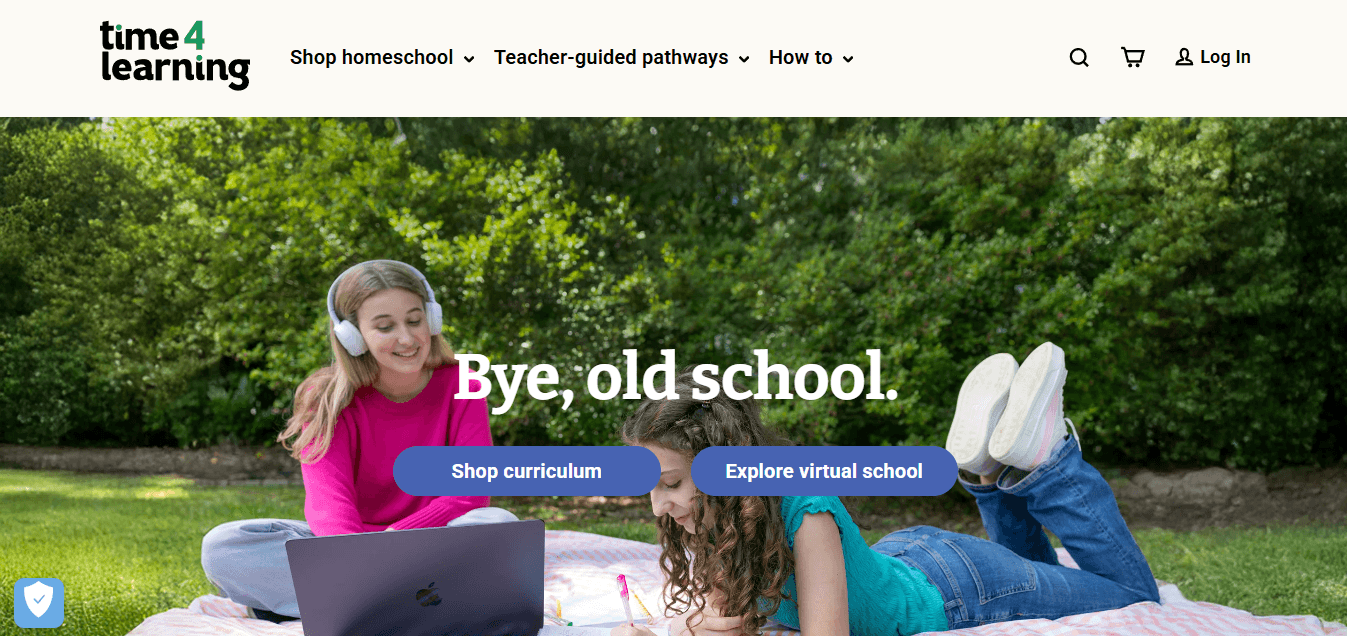
This web-based curriculum serves kindergarten through twelfth grade with automated lesson plans and grading. Parents log in, students work through interactive activities, and the system tracks completion rates without requiring daily oversight. The platform follows a traditional scope and sequence for maths, language arts, science, and social studies, making it recognizable to families transitioning from public school.
What are the pros and cons of this platform?
The structure works well for households managing multiple grade levels simultaneously, as the system handles instruction delivery. However, students who need hands-on learning or are struggling with screen fatigue face challenges. According to Brighterly Blog, the platform includes over 3,000 lessons, but quantity doesn't address engagement problems for children who learn better through physical manipulation or creative expression.
2. K12 Online School
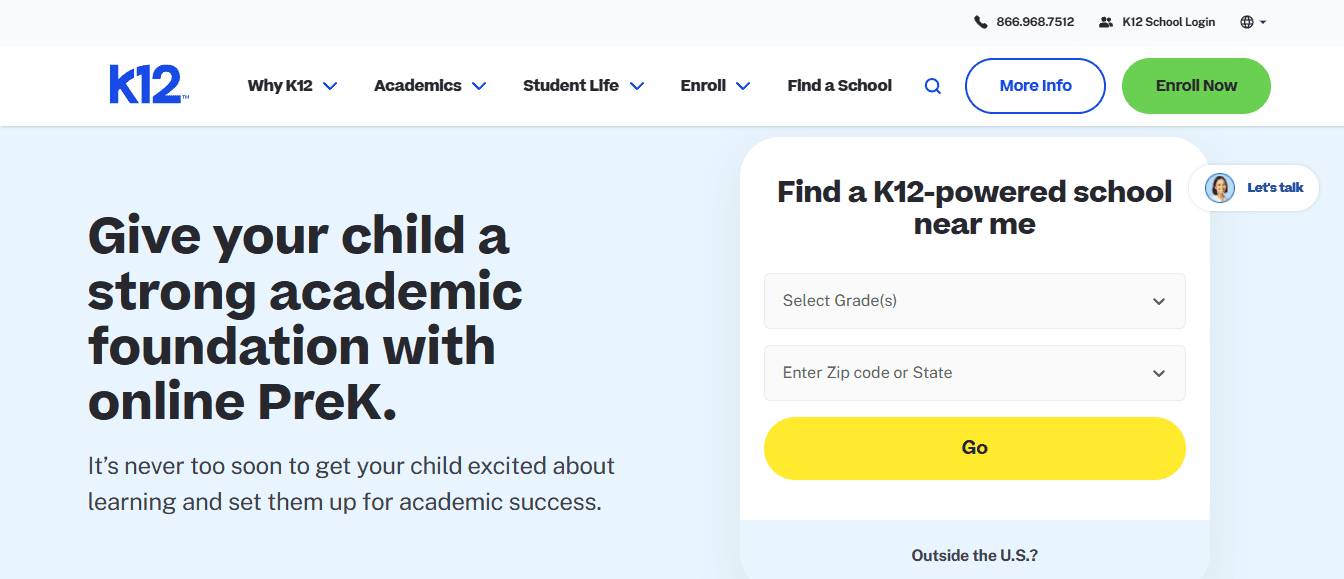
This operates as a tuition-free public virtual school rather than a traditional homeschool program. Certified teachers deliver live and recorded classes, with students following set schedules, attendance requirements, and standardized grading. Families choose this option for an institutional structure without having to leave home. The trade-off is clear: you gain teacher expertise and formal transcripts but sacrifice the scheduling flexibility and teaching control that attract most families to homeschooling. It satisfies North Carolina's requirements because it counts as public school enrollment rather than homeschool registration.
3. Connections Academy
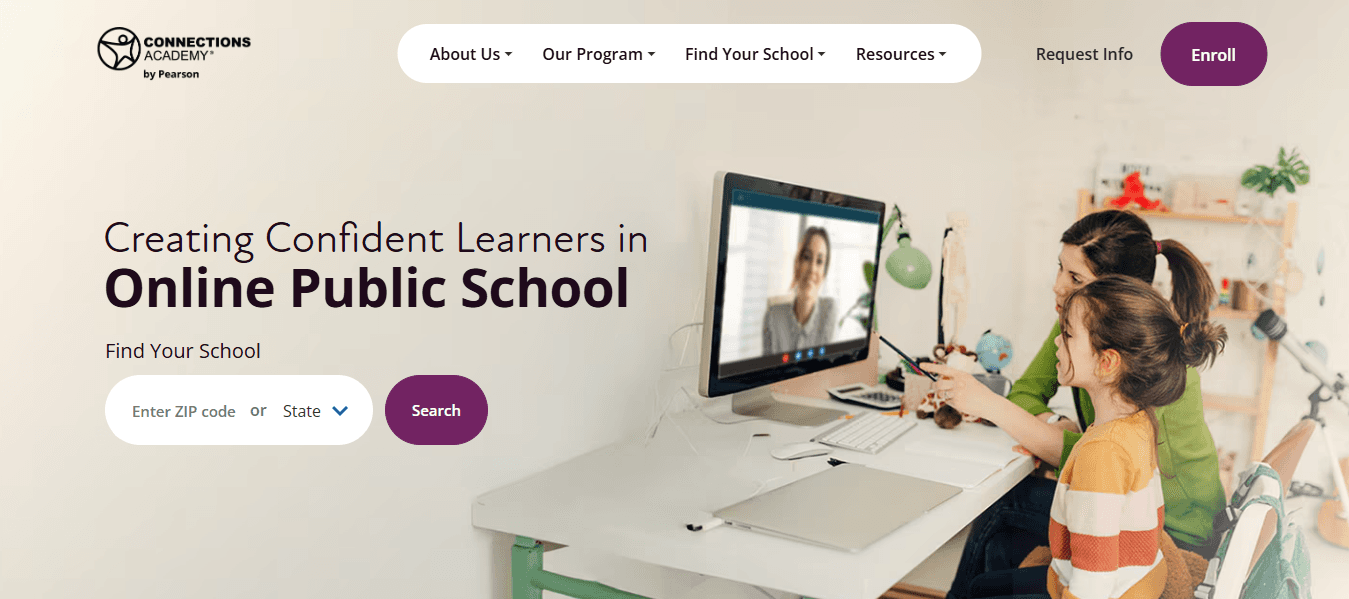
Like K12, this provides a complete online public school experience with certified teachers and structured daily lessons. The curriculum aligns with state standards, and teachers monitor progress through regular assessments. Students attend virtual classes at set times and submit assignments for formal grading. The program appeals to parents who are unsure they can teach certain subjects or who want external accountability for their child's progress. Problems arise when family schedules conflict with class times or when a child needs to move faster or slower in specific subjects: you're following the school's timeline, not your child's readiness.
4. Power Homeschool (Acellus)
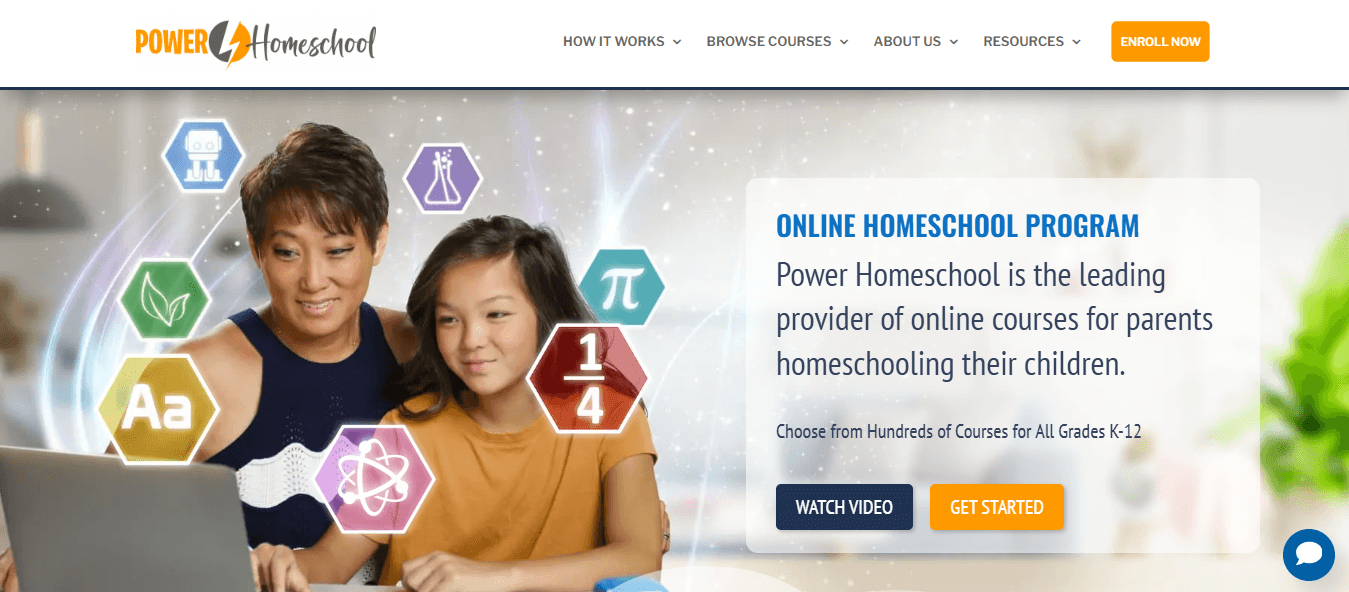
This self-paced, video-based curriculum costs significantly less than most complete programs. Students watch instructional videos, complete assignments, and take automated assessments without live teacher interaction. The system covers all core subjects from elementary through high school. Budget-conscious families appreciate the comprehensive coverage at a fraction of the cost of a traditional curriculum. The challenge emerges when students struggle with a concept: video lessons cannot adapt to confusion or provide alternative explanations when the initial approach fails. Parents must fill that gap or accept that some concepts will remain unclear.
5. Laurel Springs School
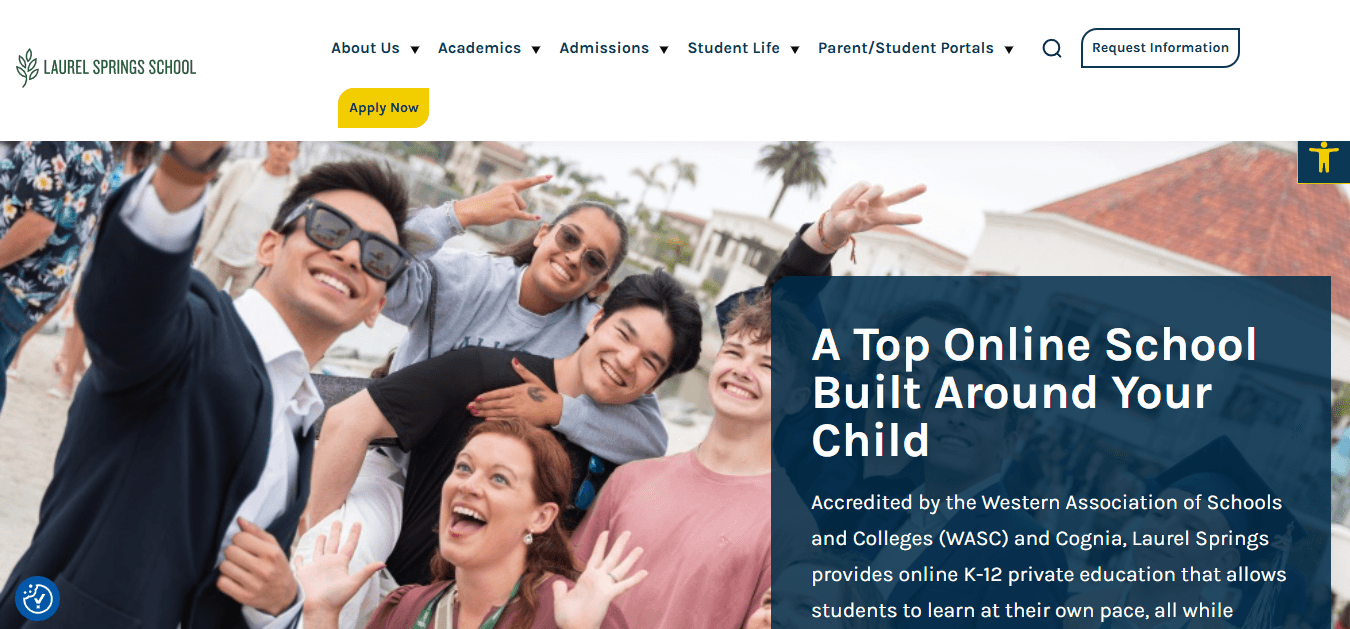
This accredited private online school serves high school students preparing for college. It offers Advanced Placement courses, honors tracks, and official transcripts recognized by colleges. Teachers provide feedback on assignments and maintain institutional records. Families pay high tuition for this service. The investment makes sense for college admissions and institutional transcript weight, but less so for younger students or families prioritizing learning over credentials. The academic pressure and workload mirror those of competitive private schools: some students thrive, while others find them overwhelming.
6. Oak Meadow
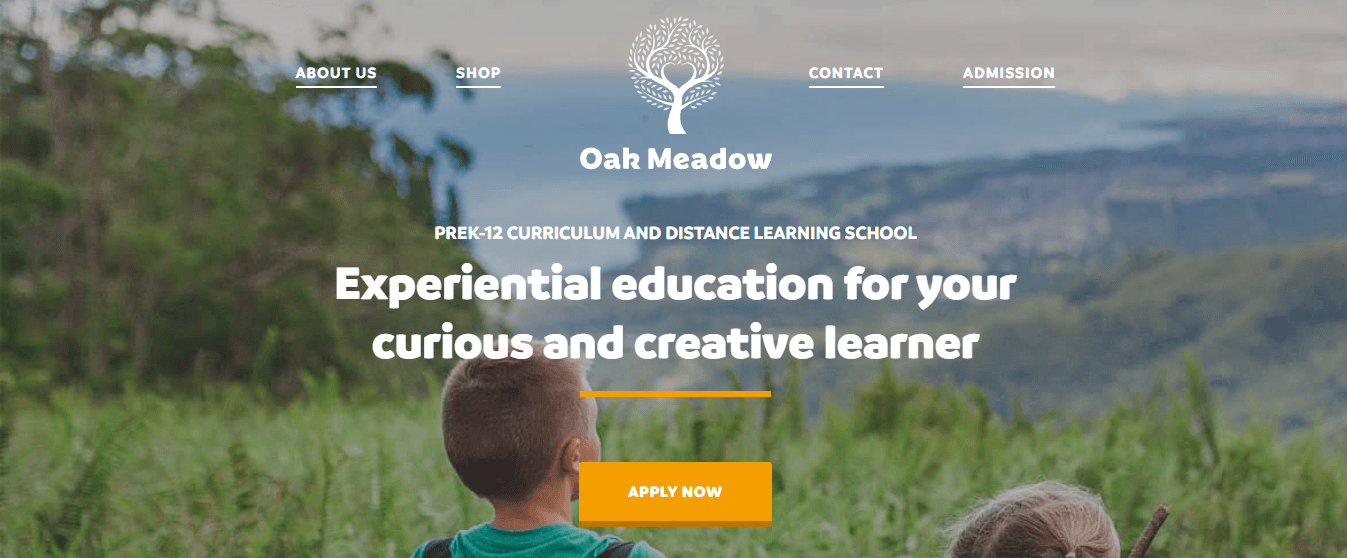
This curriculum emphasizes creative, project-based learning with minimal screen time. Lessons integrate art, nature study, and hands-on activities with academic subjects, drawing on Waldorf and progressive education principles.
What level of parent involvement does Oak Meadow require?
Parents who don't want their children to focus solely on tests and standardized results often choose Oak Meadow. The curriculum provides structure without rigidity, but requires substantial parent involvement to facilitate projects, gather materials, and guide discussions. You're following a detailed roadmap that assumes you'll do the teaching.
How can visual learning enhance Oak Meadow's approach?
Most homeschool families find that children retain more from creating pictures and diagrams than from completing assigned pages. A student struggling with the water cycle understands it better by drawing and labeling each stage themselves. Historical events become easier to remember when children create timelines that they revisit repeatedly. Tools like My Coloring Pages let you make educational content that matches how your child learns: anatomy diagrams for biology, maps for geography, or geometric patterns for maths, without changing your curriculum structure.
7. North Carolina Virtual Public School (NCVPS)
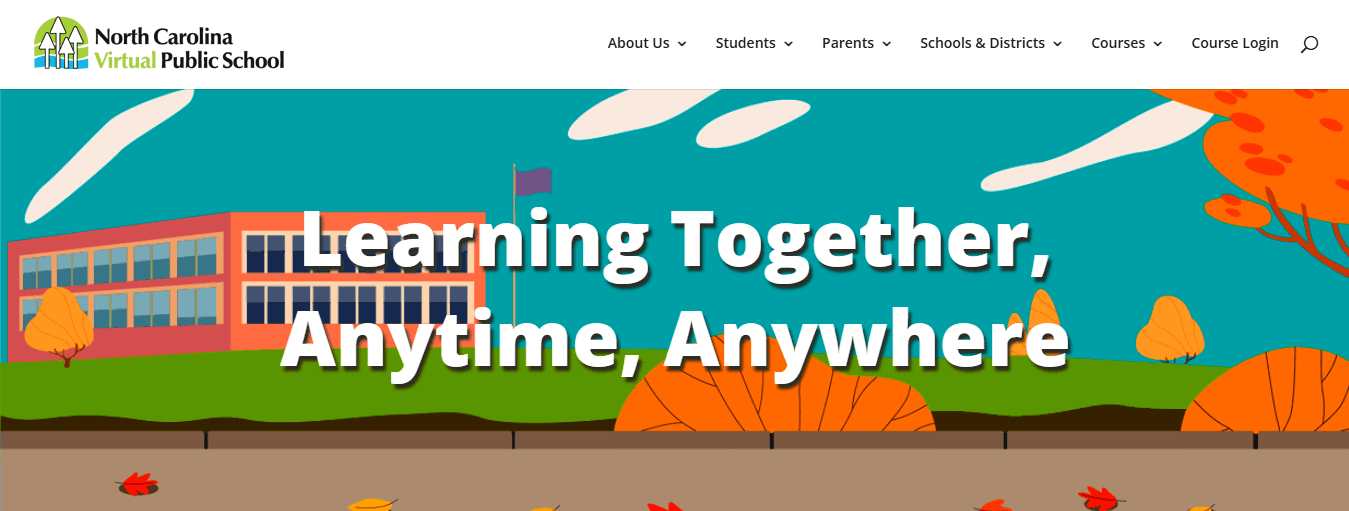
This state-run program offers individual courses rather than complete curricula. Middle and high school students can enroll in specific subjects to supplement their homeschool program. Courses are teacher-led with structured assignments and formal grades.
How do families use NCVPS to supplement homeschooling?
Families use NCVPS to fill gaps in their teaching skills. A parent confident in teaching humanities but unsure about chemistry might enroll their child in NCVPS science courses while handling other subjects independently. The courses are free or low-cost for North Carolina residents, making them accessible for families with tight budgets. The limitation is integration: managing two separate educational systems while creating coherence between them.
8. Classical Conversations
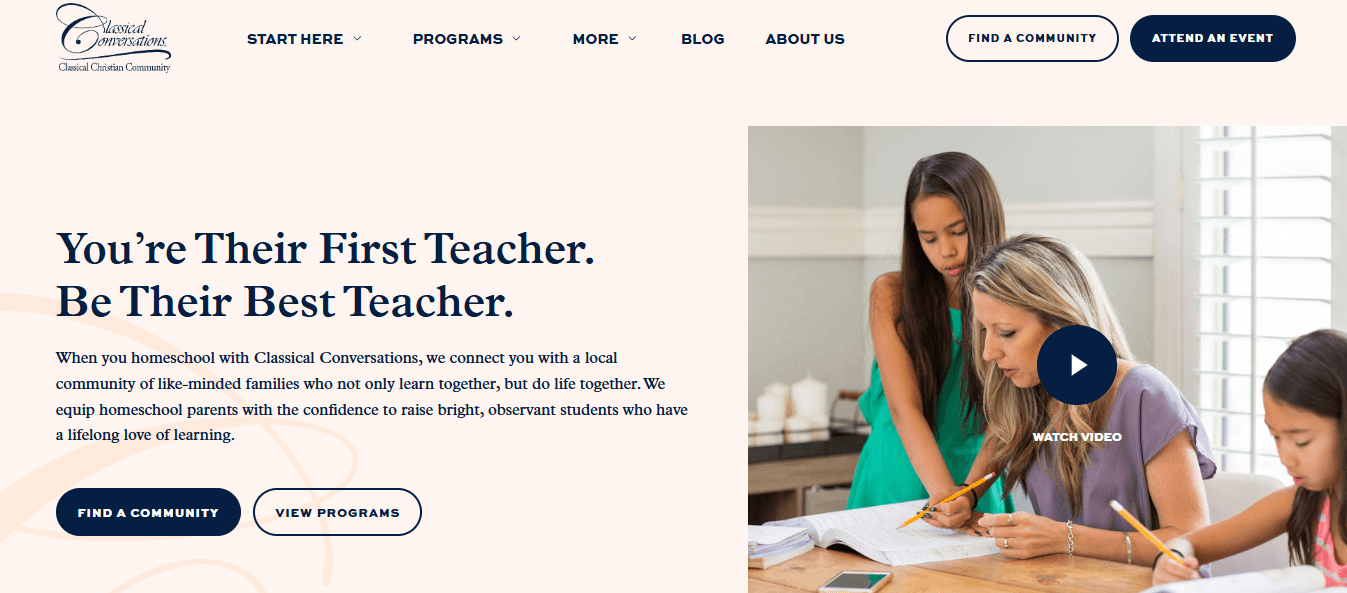
This community-based program combines weekly group meetings with home instruction. Families gather once per week for structured lessons in the grammar, dialectic, and rhetoric stages, following the classical education methodology, with parents teaching at home between meetings using provided materials.
What are the benefits and drawbacks of this approach?
This model works well for families seeking both academic structure and social connection. Children interact with peers during weekly sessions while parents share teaching responsibilities. According to Brighterly Blog, programs like this maintain a 4.5/5 satisfaction score on Trustpilot, demonstrating how community support reduces isolation. The trade-off is commitment: you must follow the group's schedule and teaching philosophy. Families who prefer flexibility or disagree with classical methodology find the structure limiting.
9. Abeka Academy
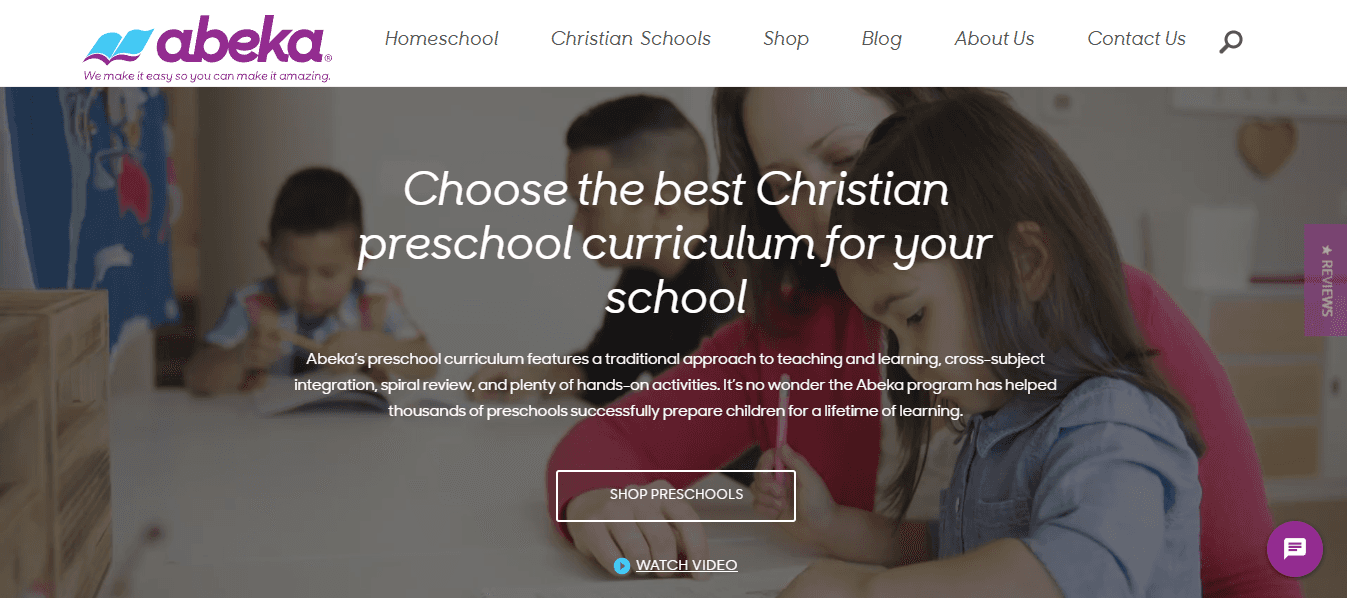
Abeka Academy offers a traditional textbook-based curriculum with optional video instruction, reflecting a Christian worldview through a structured daily schedule, lessons that build on one another, and clear expectations for student learning. Families seeking education aligned with their religious values and traditional teaching methods choose Abeka. The curriculum requires no modification: follow the teacher guide, complete assignments, and advance to the next lesson. This strict structure reassures some families but constrains others. There is little room to explore student interests or skip mastered material.
10. Outschool
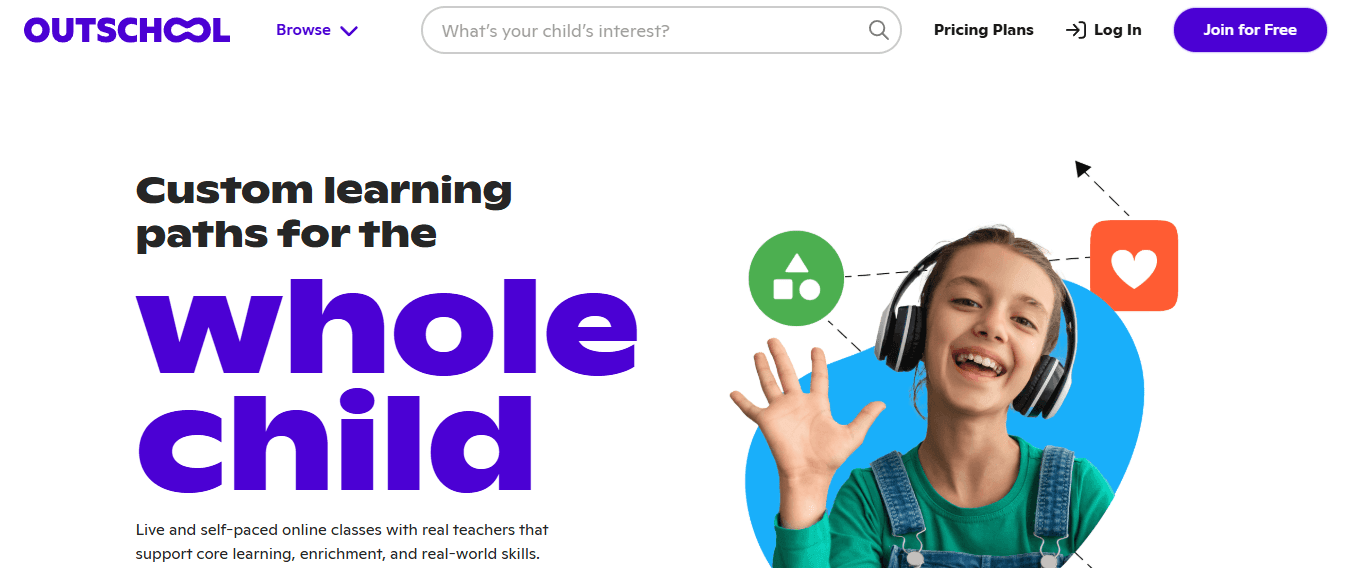
Outschool offers live online classes in small groups covering academic subjects and creative skills. These classes run as single sessions or multi-week terms, with students enrolling in specific topics based on their interests rather than following a complete curriculum.
How can families use Outschool to supplement homeschooling?
Families use Outschool to add depth, socialization, or expertise they cannot provide on their own. A child fascinated by marine biology might take a six-week course with a marine biologist; another might join a creative writing workshop or coding class. The platform adds to rather than replaces your core curriculum. You create a custom education by selecting individual classes, which requires more planning than adopting a single comprehensive program, but allows precise matching to your child's interests and needs.
Choosing based on your actual constraints
Programs fail when they ask for more than you can do. A well-designed curriculum requiring two hours of daily parent teaching falls apart if you're managing a household, working from home, or teaching multiple children. A self-paced online program sounds appealing until your child needs outside deadlines and accountability to stay motivated. The best program is one you can use consistently for nine months while meeting North Carolina's basic requirements. Structured programs don't solve the resource problem most homeschool families face daily.
Download 748,000+ Free Worksheets for Homeschooling in North Carolina
North Carolina's legal framework gives you freedom to teach however your child learns best, but that freedom only matters if you have tools matching their actual processing style. Most homeschool families struggle from lacking the daily reinforcement that turns exposure into retention.
💡 Tip: The key to successful homeschooling isn't finding the perfect curriculum: it's having the right supplemental materials to match your child's unique learning style.
When you need a visual explanation of photosynthesis, a labeled map of the thirteen colonies, or multiplication practice that doesn't feel like punishment, waiting for the next lesson or buying another workbook creates friction. Our My Coloring Pages library gives you instant access to over 748,000 downloadable educational worksheets you can print immediately. A student confused by cell structure can illustrate and label organelles themselves. A child memorizing state capitals can color and annotate regional maps.
"Over 748,000 educational worksheets provide instant reinforcement for any learning gap, transforming confusion into comprehension through hands-on practice." — My Coloring Pages Library
🎯 Key Point: Instead of waiting days for new materials or spending money on additional workbooks, you can address learning gaps as they appear.
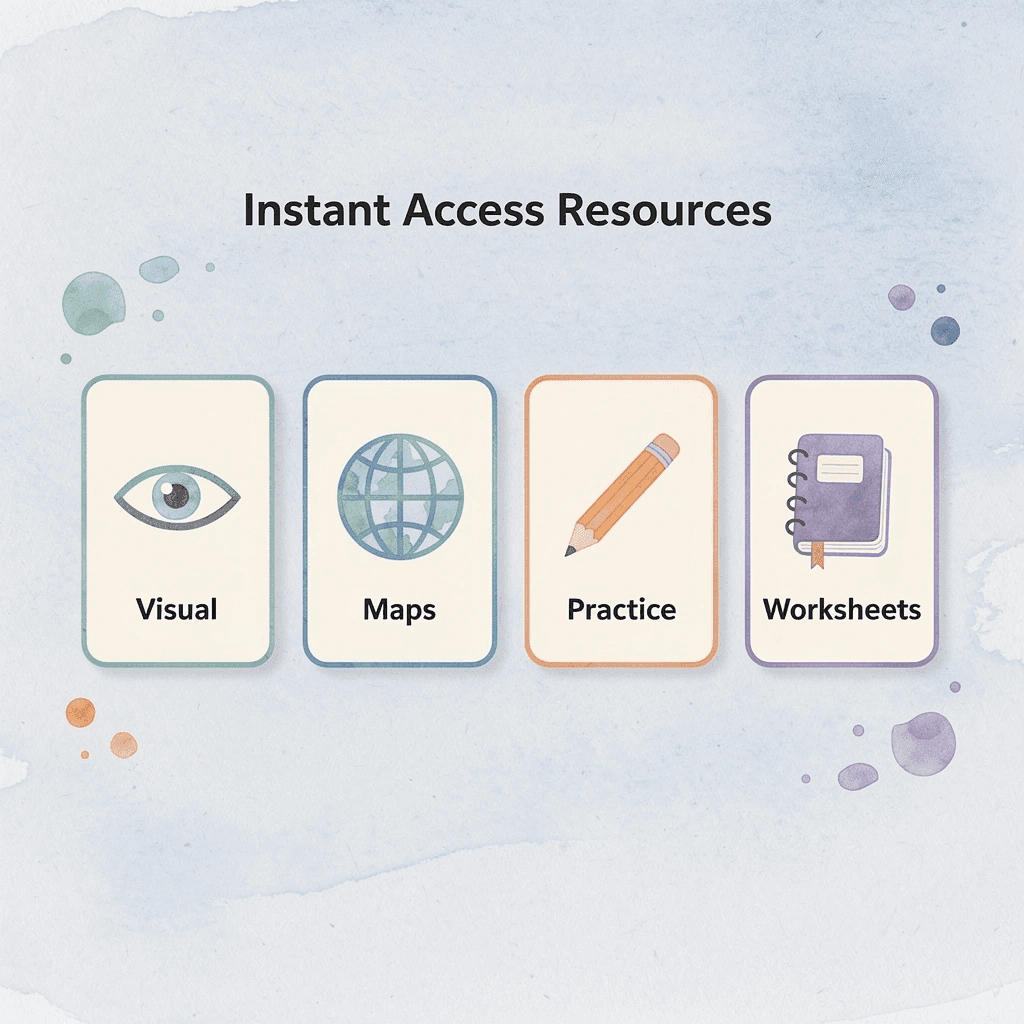
This isn't about replacing your curriculum—it's about filling gaps between structured lessons where understanding either solidifies or evaporates. North Carolina requires nine months of consistent instruction and annual testing, but neither measures whether your child actually retained what they encountered. Reinforcement worksheets create that retention layer without forcing you to abandon the program you've already invested in.
North Carolina Requirement | How Worksheets Help |
|---|---|
9 months of consistent instruction | Fill daily gaps between lessons |
Annual testing | Reinforce concepts for better retention |
Progress documentation | Track understanding through practice |
⚠️ Warning: Meeting North Carolina's legal requirements doesn't guarantee learning retention—supplemental practice materials bridge the gap between exposure and mastery.
Related Reading
- Michigan Homeschool Laws
- Accredited Homeschool Curriculum
- Georgia Homeschool Requirements
- 4th Grade Homeschool Curriculum
- 3rd Grade Homeschool Curriculum
- 2nd Grade Homeschool Curriculum
- Science Homeschool Curriculum
- Alabama Homeschool Laws
- Illinois Homeschool Laws
- How To Homeschool In California
- Homeschool Reading Curriculum
- North Carolina Homeschool Laws
- Homeschool Art Curriculum
- California Homeschool Laws